How the Best NGOs in India for Donation Help Communities Access Government Schemes and Services
India has developed an extensive network of public welfare programmes to improve the lives of its citizens. From financial inclusion and nutrition initiatives to skill development schemes and farmer collectives, these programmes support vulnerable communities and promote development.
However, there can be a gap between the announcement of a government scheme and the people it is intended to benefit. This gap may result from limited awareness, accessibility, geography, literacy, social barriers, documentation, or administrative challenges.
For many families, a benefit that exists on paper does not automatically translate into meaningful support on the ground.
This is where Civil Society Organisations (CSOs) play an important role. Rather than replacing government systems, organisations such as World Vision India help communities understand, access, and benefit from existing services and opportunities.
Bridging the Gap Between Government Schemes and Communities
Government programmes are designed to reach millions of people, but implementation at the community level can be challenging. Families living in remote areas may not know which schemes they are eligible for or how to apply.
Language, literacy, documentation, transportation, and limited digital access can create additional barriers. Some families may also hesitate to approach government offices because they are unfamiliar with the process.
CSOs can help bridge these gaps by working directly with communities. They can create awareness, connect families with relevant services, provide guidance, and help people understand their rights and available opportunities.
This community-level engagement can make government programmes more accessible to people who may otherwise remain excluded.
Financial Inclusion Needs More Than Bank Accounts
Government programmes such as the Jan Dhan Yojana have helped millions of people participate in the formal financial system. However, opening a bank account is only the first step.
Some families may remain unaware of available benefits or face difficulties using financial services. Documentation barriers and limited financial awareness can also prevent people from making full use of these opportunities.
Community-based organisations can help families understand financial services and encourage greater participation. For women, access to financial services can also contribute to greater economic independence and participation in household decision-making.
When people understand and use the systems created for them, the benefits of financial inclusion can become more meaningful.
Connecting Rural Youth With Skill Development
Skill development programmes such as the Pradhan Mantri Kaushal Vikas Yojana provide training opportunities, but many rural young people may not know about them or may face barriers to participation.
Distance from training centres, financial limitations, family responsibilities, and limited information can prevent young people from accessing suitable training.
World Vision India works at this point of disconnection.
Across 112 programme locations, the organisation mobilises and supports young people in accessing NSDC-approved skill training opportunities. By identifying young people within communities and connecting them with appropriate training, CSOs can help turn government opportunities into pathways towards employment and sustainable livelihoods.
Strengthening Farmer Producer Organisations
Farmer Producer Organisations (FPOs) are designed to strengthen the bargaining power and incomes of smallholder farmers. By working collectively, farmers can improve access to markets, negotiate better prices, purchase inputs, and strengthen their overall business position.
However, establishing an organisation does not automatically guarantee success. Governance support, business knowledge, market access, and ongoing capacity building are important for these organisations to grow.
World Vision India has established and strengthened 16 Farmer Producer Organisations that collectively serve more than 6,000 farmers. This support focuses on areas such as governance, market access, and business performance.
Strengthening these local institutions can help farmers become more organised and better positioned to participate in agricultural markets.
Protecting Children Through Community Action
At the community level, Child Protection Units help connect vulnerable children and families to government child welfare systems. They also strengthen local safeguarding mechanisms and help ensure that support reaches those who need it.
Child protection requires more than responding to problems after they occur. Communities need the knowledge and systems to identify risks early, understand children's rights, and respond when children face abuse, neglect, exploitation, trafficking, or other forms of harm.
A strong child rights organisation can work alongside communities to build awareness and strengthen local protection systems. This approach is particularly important in areas where families may have limited access to formal support services.
When community members understand their responsibilities and know where to seek help, children are more likely to grow up in safer environments.
Addressing Nutrition and Education Gaps
World Vision India also promotes nutrition gardens, remedial education centres, and community empowerment initiatives to address gaps faced by communities.
Nutrition gardens can help families improve access to diverse and nutritious foods, while remedial education centres can support children who have fallen behind in their studies.
These initiatives demonstrate how CSOs can complement government systems without attempting to replace them. The focus is on identifying challenges within communities and providing support that helps existing services become more accessible and effective.
Why Civil Society Organisations Matter
The role of CSOs is not to duplicate government efforts but to help ensure that these efforts reach the last mile.
When communities are informed, organised, and equipped, government programmes can become more effective. When families understand their rights and available opportunities, participation can increase. Strengthening local institutions can also improve long-term outcomes.
People looking for the best NGOs in India for donation may consider organisations that focus on long-term community development alongside immediate support.
Similarly, individuals who wish to donate to children in need or donate to underprivileged children can support programmes that address education, nutrition, child protection, and family wellbeing.
Supporting communities in these areas can help address immediate needs while also building greater resilience over time.
Creating Lasting Change Through Collaboration
Development is more effective when governments, communities, civil society organisations, and citizens work together towards shared goals.
Government institutions provide policies, resources, and large-scale systems. Communities bring local knowledge and participation. CSOs help connect these levels by working closely with families and understanding the challenges they face.
As World Vision India's National Director observed:
"The genesis of a crisis may not be anyone's responsibility, but the end of the crisis is certainly everyone's responsibility."
This principle reflects the importance of shared responsibility in sustainable development.
Government schemes provide an essential foundation, but strong community participation and civil society support can help ensure that these opportunities reach the people they were designed to serve.
When policies, communities, CSOs, and citizens work together, development becomes more than a programme on paper. It makes a meaningful change in people's everyday lives.
Kiran's Inspiring Journey to Canada
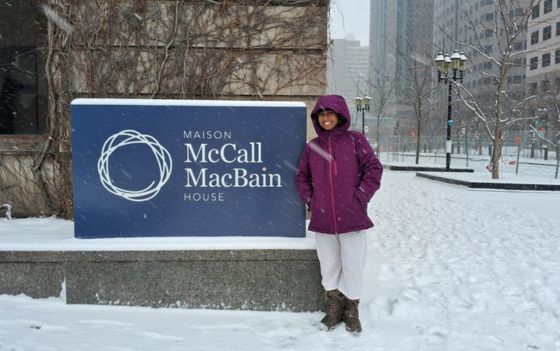
Kiran's story is pure inspiration! Growing up in Kolkata she juggled family and studies. “Having to raise three children wasn’t easy for my parents, but World Vision India supported my education and helped me discover my passion for social issues.” World Vision India’s Snehadeep community project and Play for Peace programme, conducted workshops on life skills, street plays, and puppet shows which became platforms for her to find her voice.