Child Rights in Action: How Communities Stand Up for Children
When a child can walk to school without fear, receive healthcare when unwell, and express their views with confidence, children's rights move beyond words and become part of daily life. These rights are not upheld by policies alone. They are protected through everyday choices made by families, neighbours, teachers, and local leaders who act when something is not right.
Across India, communities play a vital role in creating safe and supportive environments for children. Experience from community-based work shows that lasting change happens when people understand child rights, take responsibility, and work together to protect every child.
What Child Rights Look Like in Daily Life
Child rights are guided by the United Nations Convention on the Rights of the Child (UNCRC), which affirms every child’s right to survival, development, protection, and participation. In everyday life, this means children growing up free from violence and exploitation, attending school regularly, accessing nutritious food, clean water, and healthcare, and being treated with dignity and respect.
Many violations occur not out of intent, but due to poverty, migration, lack of awareness, harmful social norms, or gaps in local systems. This is why community involvement is essential. When people recognise early signs of risk and understand their role, they are better prepared to prevent harm and respond in time.
Communities as the First Line of Protection
Communities are often the first to notice when a child is vulnerable. A child dropping out of school, a girl facing early marriage, or signs of neglect are usually visible at the local level.
World Vision India works with parents, teachers, community volunteers, faith leaders, and local authorities to strengthen community-based child protection mechanisms. These include child protection committees, awareness programmes, safe reporting channels, and referral systems that connect families to services such as Childline 1098, healthcare facilities, and social welfare support.
In many communities, trained members have intervened early to prevent harm, support children returning to school, and ensure timely access to protection services. When responsibility is shared, children are less likely to be overlooked.
Education and a Child’s Right to Learn
Education plays a critical role in realising children's rights. It supports not only academic learning, but also confidence, resilience, and future opportunities. Yet many children face barriers due to poverty, seasonal migration, gender inequality, disability, or limited early learning opportunities.
Community-led education efforts focus on early childhood development, school enrolment, regular attendance, and inclusive learning environments. Parents, teachers, School Management Committees, and local education authorities work together to identify out-of-school children and address the reasons behind dropout.
When education is actively supported at the community level, children are more likely to stay in school and build pathways out of poverty.
Health, Nutrition, and Well-Being
A child’s right to health and nutrition is essential for overall development. Malnutrition, unsafe drinking water, poor sanitation, and limited access to healthcare can affect physical growth, learning, and long-term well-being.
World Vision India’s community-based health and nutrition programmes focus on maternal and child health, prevention of malnutrition, immunisation, hygiene practices, and adolescent well-being. Communities are encouraged to work closely with Anganwadi workers, ASHAs, and local health systems so that children and mothers receive timely care.
When health and nutrition are prioritised locally, children are better prepared to learn, participate, and thrive.
Children’s Participation: Being Heard and Valued
Participation is a vital part of child rights. Children have the right to express their views and contribute to decisions that affect their lives. When children are encouraged to speak up, they build confidence, leadership skills, and a sense of responsibility.
Child and youth groups provide safe spaces for children to learn about their rights and responsibilities. Through clubs, forums, and community dialogues, children raise concerns related to safety, education, inclusion, and environmental care. In several communities, children’s voices have contributed to safer school environments, improved sanitation facilities, and greater awareness of protection issues.
Communities that listen to children become more inclusive and responsive.
Supporting Families to Protect Child Rights
Families are central to a child’s safety and development. Economic hardship, however, can limit a caregiver’s ability to meet children’s needs and may contribute to school dropout, child labour, or early marriage.
World Vision India supports families through livelihood initiatives such as skills training, savings groups, financial literacy, and income-generation opportunities. When families have stable and dignified livelihoods, they are better equipped to invest in their children’s education, health, and protection.
Strong families are essential partners in ensuring that child rights are upheld consistently and sustainably.
Why Community Action Matters Today
Children today face evolving challenges, including migration, climate-related shocks, digital risks, and post-pandemic impacts. These issues cannot be addressed by systems alone.
Community-driven approaches help bridge gaps between families, services, and institutions. They encourage early action, practical solutions, and responses rooted in local realities. When communities are informed, organised, and empowered, efforts to protect child rights are more effective and long-lasting.
Working Together for Lasting Impact
Protecting child rights requires collaboration. Partnerships with local governments, schools, healthcare providers, civil society organisations, and community leaders help strengthen systems that support children.
By aligning community action with national child protection frameworks and global commitments such as the UNCRC and the Sustainable Development Goals, these efforts continue to create impact beyond programme timelines.
Child Rights in Action: A Shared Responsibility
Child rights take shape through everyday actions. When families prioritise education, when neighbours speak out against harm, when leaders create inclusive spaces, and when children are encouraged to participate, rights move from principle to practice.
World Vision India has seen how community-led action creates safer environments, improves access to education and healthcare, strengthens families, and nurtures confident and hopeful children. Child rights in action begin at the community level. Together, we can help ensure that every child is protected, respected, and supported to reach their full potential, today and in the years ahead.
Kiran's Inspiring Journey to Canada
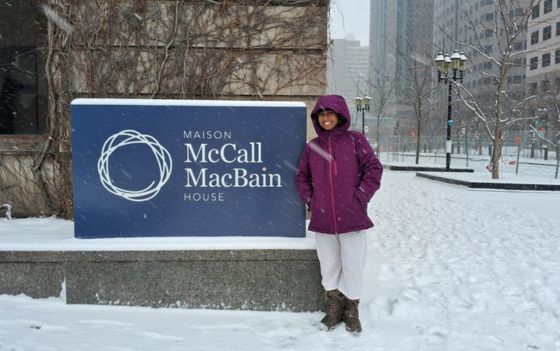
Kiran's story is pure inspiration! Growing up in Kolkata she juggled family and studies. “Having to raise three children wasn’t easy for my parents, but World Vision India supported my education and helped me discover my passion for social issues.” World Vision India’s Snehadeep community project and Play for Peace programme, conducted workshops on life skills, street plays, and puppet shows which became platforms for her to find her voice.