Child Rights in India: 8 Fundamental Rights Every Parent Should Know
Every child deserves safety, education, healthcare, and a childhood free from exploitation. Knowing child rights in India helps parents protect children and support their healthy development.
Child Rights in India: Key Statistics
23% — Young women aged 20–24 were married before age 18, based on 2019–2021 data.
89% — Children under five had their births registered, according to 2021 data.
95% — Primary-school-age children had a net attendance rate, according to UNICEF's India data dashboard.
1. Right to Education
Free elementary education: Children aged 6–14 are entitled to free and compulsory education under the Right to Education Act.
Every lesson counts: Access to education for poor children helps build knowledge, skills, and future opportunities.
Parent action: Encourage regular attendance and address barriers to learning.
2. Right to Health and Nutrition
Healthy childhood: Children need nutritious food, healthcare, immunisation, and safe drinking water.
Early care matters: Timely medical support helps children grow and develop.
Parent action: Prioritise balanced meals, hygiene, and regular healthcare.
3. Right to Protection from Abuse
Safety matters: Children must be protected from physical, emotional, and sexual abuse.
Recognise warning signs: Sudden behavioural changes or unexplained injuries may require attention.
Parent action: Listen calmly, take concerns seriously, and seek appropriate help.
4. Right to Protection from Child Labour
Childhood comes first: Children must be protected from prohibited work and exploitation.
Learning over labour: Every child deserves opportunities to learn and develop.
Parent action: Seek help if a child is forced into harmful work or prevented from attending school.

5. Right to Equality
Equal opportunities: Every child deserves fair treatment, regardless of gender, caste, religion, or disability.
Respect every child: Discrimination should never limit a child's opportunities.
Parent action: Teach fairness, inclusion, and respect from an early age.
6. Right to Protection from Child Marriage
Let children grow: Marriage before 18 can disrupt education, health, and development.
Protect their future: Girls and boys need time to learn and develop.
Parent action: Seek appropriate support if a child faces pressure to marry early.
7. Right to Identity and Care
Every identity matters: Birth registration helps establish a child's legal identity.
Care and belonging: Children need nurturing relationships and a safe environment.
Parent action: Register births and keep essential documents secure.
8. Right to Be Heard
Every voice matters: Children should have opportunities to express their views on matters affecting them.
Build confidence: Listening helps children communicate their needs and concerns.
Parent action: Encourage open conversations and respect children's opinions.
How Can Parents Help Protect Child Rights?
Stay informed: Learn about children's legal protections and available services.
Speak up: Report suspected abuse, exploitation, or neglect to appropriate authorities.
Support development: Promote education, healthcare, and safe environments.
Work together: Families, communities, and a child welfare NGO can help protect vulnerable children and strengthen child protection efforts.
Organisations such as World Vision India work in child well-being and community development, helping communities understand and address challenges affecting children.
Every Child Deserves a Safe Future
Know their rights. Protect their childhood. Help every child grow with dignity, safety, and opportunity.
Kiran's Inspiring Journey to Canada
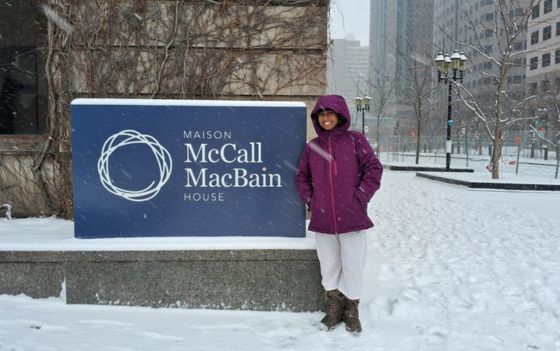
Kiran's story is pure inspiration! Growing up in Kolkata she juggled family and studies. “Having to raise three children wasn’t easy for my parents, but World Vision India supported my education and helped me discover my passion for social issues.” World Vision India’s Snehadeep community project and Play for Peace programme, conducted workshops on life skills, street plays, and puppet shows which became platforms for her to find her voice.