The Power of Sponsorship: Transforming Communities One Child at a Time
In a small village in rural India, a young child sat outside a classroom, watching other children read from their books. He dreamed of going to school, learning new things, and one day helping others. But most days, his stomach growled louder than his dreams. His parents worked on daily wages, and some nights the family shared only a little rice and tea before going to bed.
When a team from World Vision India visited the village, they saw more than a child without books. They saw a community struggling with hunger, poor health, and a lack of opportunities. Over time, with support from sponsors, the child enrolled in school, received books and a school bag, and began getting nutritious meals. His parents joined a livelihood group and learned how to grow vegetables at home. What started with one sponsored child slowly lifted the entire community. This is the true power of sponsorship change that begins with one life and spreads to many.
What Is Sponsorship and How Does It Work?
Sponsorship is not just about giving money. It is about standing beside a child and their community so they can build a better future together.
When you sponsor a child, your monthly support is combined with that of other sponsors. This pooled support helps improve the whole area where the child lives. Instead of short-term charity, sponsorship focuses on long-term change.
Through child sponsorship, World Vision India:
- Improve schools and learning conditions so children can study in safe, clean classrooms.
- Provide clean water and proper toilets, which protect families from waterborne diseases.
- Support health and nutrition programmes so children grow strong and active.
- Help parents learn income-generating skills and start small businesses.
- Create child protection groups so children are safe from early marriage, child labour, and neglect.
Your help may start with one child, but it strengthens families, neighbourhoods, and entire communities.
Why Malnutrition Matters So Much
Malnutrition is not just an empty plate. It is a body missing the nutrients needed to grow, learn, and stay healthy.
In many parts of India, children eat mostly rice or a simple dish. Their stomachs may feel full for a while, but their bodies remain weak. They lack proteins, vitamins, and minerals that are essential for development.
The reality is painful:
Many children are underweight, too thin for their height, or often sick. Many women live with iron deficiency and feel tired all the time. Behind each statistic is a real person, a child who cannot concentrate in class, a mother too exhausted to work, or who drops out of school due to poor health.
When nutrition improves, everything else begins to change. Children start to play, run, and laugh again. They focus better in class. Parents feel stronger and more hopeful. A well-fed child is not only healthier; they are more confident, curious, and ready to shape their future.
How Sponsorship Supports Children and Families
Sponsorship helps address the roots of poverty, not just the symptoms. The goal is to build stronger families and communities that can stand on their own feet.
1. Teaching Families About Healthy Living
Local volunteers and health workers teach parents how to plan simple, balanced meals using ingredients they can afford: rice, dal, seasonal vegetables, leafy greens, eggs, and clean water. Demonstrations, songs, stories, and picture charts make learning easy for everyone, including those who cannot read. Slowly, families start to change what they cook and how they feed their children.
2. Supporting Education
Children receive basic school supplies, such as notebooks, pens, and uniforms, which remove simple but real barriers to attending school. Schools are supported to improve toilets, drinking water, classroom lighting, benches, and teaching materials. When school becomes a safe, welcoming place, children feel excited to attend regularly, especially girls, who need privacy and security.
3. Strengthening Parents Livelihoods
Many parents, especially mothers, join self-help groups or small savings groups. They learn to save a little money each month and also learn skills like tailoring, goat rearing, poultry, or small-scale farming. With a more stable income, families can buy extra food, pay school fees, and invest in their children’s future.
4. Providing Clean Water
New wells, handpumps, pipelines, and basic filters bring safe water closer to homes and schools. This reduces the time children, especially girls, spend walking long distances to fetch water. It also prevents many waterborne illnesses, which means fewer clinic visits and fewer missed school days.
5. Keeping Children Safe
Child protection committees are formed in the village. These groups watch out for early marriage, child labour, and other forms of abuse or neglect. They raise awareness among parents and support children who are at risk. Every child deserves to grow up in safety and dignity, and sponsorship helps communities protect their youngest members.
What Change Looks Like Over Time
In the first year after sponsorship begins, changes may look small but meaningful:
Children start going to school more regularly. Families try new vegetables in their meals. Health workers report fewer cases of severe illness. Parents meet regularly to save money and support one another.
After a few years, the transformation becomes clearly visible. You see children standing up in class with confidence, able to read and answer questions. You see mothers running small businesses or kitchen gardens. You see clean water sources in the village and children washing their hands with soap before eating. What began with one sponsored child becomes a wave of change touching many homes.
Why Sponsorship Works
Sponsorship works because it is based on empowerment, not dependency. Families are not just receiving help, they are learning, deciding, and leading their own progress. Communities come together, plan projects, and take ownership of solutions.
Support is used carefully and transparently, and sponsors receive updates showing the real impact of their contribution. This ongoing relationship builds trust and encourages long-term commitment, which is essential for lasting change.
How You Can Help
You do not need to be rich to change a life. Even a modest monthly amount can help a child go to school, eat better, and grow up safely.
You can:
- Sponsor a child and walk with them as they grow.
- Support health and nutrition projects that ensure children receive the right food.
- Contribute towards clean water and sanitation facilities in villages.
- Help fund small livelihood programmes that empower parents.
- Back child protection initiatives that keep children safe from abuse and exploitation.
Every act of care, no matter how small, adds up.
Conclusion
Sponsorship is love put into action. It is the decision to stand beside a child and say, “Your life matters. Your future matters.”
Your support does more than feed a child for a day. It helps a family stand stronger, a school become safer, and a community grow more independent. When children learn, parents earn, and hope spreads from home to home, we see the true power of sponsorship, one child, one family, one community at a time.
Kiran's Inspiring Journey to Canada
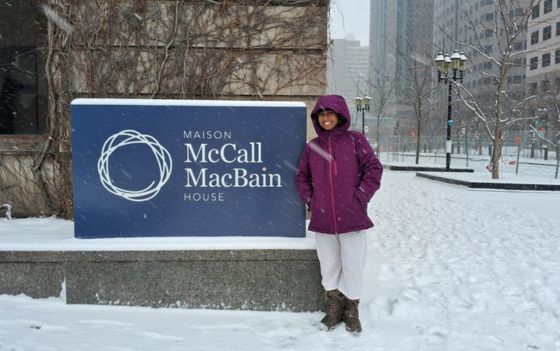
Kiran's story is pure inspiration! Growing up in Kolkata she juggled family and studies. “Having to raise three children wasn’t easy for my parents, but World Vision India supported my education and helped me discover my passion for social issues.” World Vision India’s Snehadeep community project and Play for Peace programme, conducted workshops on life skills, street plays, and puppet shows which became platforms for her to find her voice.