Child Well-Being in 2026: What Matters Most for a Better Future
Introduction
When we talk about children in 2026, the question is no longer only about survival. It is about whether children are truly doing well.
Across communities in India and around the world, children are growing up in a rapidly changing environment shaped by digital exposure, climate uncertainty, social pressures, and economic inequality. In this context, child well-being goes far beyond access to food or a school building. It includes safety, good health, emotional support, meaningful learning, and the confidence to imagine a better future.
Through its work with children, families, and communities, World Vision India continues to highlight that a child’s well-being is deeply influenced by their surroundings, relationships, and opportunities. When these elements come together, children are not just surviving; they can thrive.
Understanding Child Well-Being in 2026
What Does Child Well-Being Really Mean?
Child well-being is not a single outcome. It is a combination of everyday experiences that shape how a child grows, learns, and feels. A child may attend school but feel unsafe, or may be physically healthy but lack emotional support. True well-being exists only when different needs are met together.
Child well-being can be understood through three interconnected areas:
- Healthy growth and development
- Strong and positive relationships
- Safe and supportive environments
Together, these elements help us understand whether children are merely coping with life or genuinely thriving.
Healthy Growth: The Foundation of Well-Being
Physical Health and Nutrition
Good health is the starting point for a child’s overall development. Children who are well-nourished and have access to healthcare are more likely to attend school regularly, concentrate better, and grow with confidence. Yet many children continue to face malnutrition, preventable illnesses, and limited access to medical services.
Health and nutrition initiatives focused on early childhood care, immunisation, and community-based health awareness help ensure children receive a strong and healthy start in life—laying the foundation for long-term well-being.
Education That Prepares Children for Life
In 2026, education must go beyond textbooks and examinations. While literacy and numeracy remain essential, children also need skills that help them manage real-life challenges and change.
Life skills education plays a key role by helping children develop:
- Confidence and self-awareness
- Communication and problem-solving abilities
- Emotional resilience and decision-making skills
- Respect for others and a sense of responsibility
Education that balances academic learning with life skills prepares children not just for exams, but for life.
The Power of Positive Relationships
Families as the First Support System
A child’s earliest experiences are shaped at home. When parents and caregivers feel supported—emotionally and economically—children are more likely to feel safe and valued. This sense of security helps them grow with trust and confidence.
Strengthening parenting practices, livelihoods, and community support systems plays a crucial role in creating nurturing environments where children can flourish.
Schools and Communities That Care
Beyond the home, teachers, peers, neighbours, and community leaders influence a child’s sense of belonging. Safe schools and inclusive communities encourage children to speak openly, ask questions, and express themselves without fear.
Positive relationships outside the family help children learn cooperation, empathy, and respect—values that guide them well into adulthood.
Safety and Protection: A Non-Negotiable Need
Protecting Children from Harm
No child can thrive in an environment of fear. Protection from abuse, neglect, exploitation, child labour, and trafficking remains essential to child well-being. In today’s world, this protection also extends to digital spaces where children face growing risks.
Efforts to build awareness, strengthen community reporting systems, and promote children’s rights are critical to ensuring safer environments for every child.
Strong Systems, Safer Futures
Child-friendly laws, accessible services, and responsive institutions play a vital role in protecting children, especially the most vulnerable. When systems work together effectively, fewer children are overlooked or left behind.
Challenges Children Still Face in 2026
Despite progress, many challenges continue to affect children’s well-being. Poverty and inequality still limit access to healthcare, quality education, and safe living conditions. Learning gaps persist, with many children attending school but struggling to learn meaningfully. Emotional and mental health concerns are also rising as children face academic pressure, family stress, and social expectations without adequate support.
What Needs to Change for a Better Future?
To improve child well-being, education systems must look at the whole child, balancing academics with life skills, emotional well-being, and values. Communities need to remain actively involved in protecting and nurturing children, as local action often leads to lasting change. Supporting parents and caregivers is equally important, as empowered families create the strongest foundations for children to grow and thrive.
The Role of World Vision India
World Vision India works alongside communities to create lasting improvements in children’s lives. Its long-term, community-led approach focuses on health, education, life skills, child protection, and family well-being. By strengthening systems and relationships at the grassroots level, the organization helps ensure that progress is sustainable and truly child-centred.
Conclusion
Child well-being in 2026 is about offering children more than survival. It is about giving them dignity, hope, and the skills they need to shape their own futures. When children are healthy, protected, emotionally supported, and equipped with life skills, they do not just grow up—they grow strong.
As this work continues to show, investing in children is one of the most meaningful investments we can make, not only for today, but for generations to come.
Kiran's Inspiring Journey to Canada
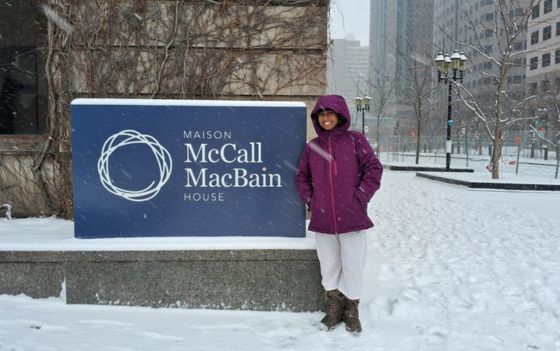
Kiran's story is pure inspiration! Growing up in Kolkata she juggled family and studies. “Having to raise three children wasn’t easy for my parents, but World Vision India supported my education and helped me discover my passion for social issues.” World Vision India’s Snehadeep community project and Play for Peace programme, conducted workshops on life skills, street plays, and puppet shows which became platforms for her to find her voice.