Every Drop Counts: How Clean Water Changes Lives in Rural India
Introduction
Clean water changes daily life. When water is safe and close, families stay healthy, children reach school on time, and days run better. A small tap or hand pump can look simple, yet it brings big wins. Fewer sick days, better learning, and more time for work and rest. Clean water first, and everything else follows health, study, and hope.
Why Clean Water Matters
Safe water reduces illness, keeps children in class, and saves hours each week that families can use for study, work, and rest. Clean water protects the body from germs that cause tummy pain, fever, and skin problems. With fewer clinic trips, families save money for food, school, and home needs. When schools have water and clean toilets, attendance rises, especially for girls who need privacy and safety.
Shorter walks to collect water also cut the risk of long paths and free up time for homework and rest. Near the home, a steady source of water supports kitchen gardens that add fresh greens to the plate and, at times, a little extra income.
What “Safe Water” Means at Home
Safe water is both the source and the steps to clean the pot with a lid, pour (do not dip), store away from dust/animals, boil or filter in rainy months, and wash hands at key times.
- Use a clean pot with a tight lid
- Pour water out. Do not dip cups or hands inside.
- Keep the pot away from dust and animals.
- In rainy months, boil water or use a simple filter.
- Wash your hands with soap after using the toilet and before food.
- Clean the storage pot weekly.
- Use a ladle or tap to serve drinking water.
These small habits reduce the risk between the well and the cup.
Community Steps That Work
Strong village systems pair basic hardware with daily habits and local care so water keeps flowing year after year.
1) Reliable village systems
A well, pump, gravity line, or small solar setup can bring water closer to homes and schools. A trained helper checks taps, fixes small breaks, and keeps simple tools and spare parts ready so repairs are fast.
2) Clean toilets for homes and schools
Toilets work best when water is on site. Doors, light, and a small bin help keep them safe and usable. This is important for dignity, privacy, and regular school attendance.
3) Handwashing made easy
Place a tap or “tippy tap” near the kitchen and the toilet. Keep soap ready. A small wall chart reminds everyone to wash hands after using the toilet and before food. These simple cues turn a good idea into a daily habit.
4) Water quality checks
Test drinking water from time to time with simple kits. If needed, use safe drops or filters. Keep storage clean and avoid dipping cups. Post results on a small notice board so everyone trusts the supply.
5) Women’s leadership
When women help lead the water group, taps are placed where families need them most. Money is tracked with care, repairs move faster, and all homes have a fair voice.
6) Partnerships that last
Homes, schools, local health workers, and public programmes plan together. Shared rules, small fees for upkeep, and a clear repair map keep the system running beyond the first year.
A Day After Water Arrives
- Children wash their hands before the midday meal.
- Toilets have water and stay clean and private.
- A small student club checks soap and keeps simple charts.
- Homes grow leafy foods in small beds near the kitchen.
- Clinic visits drop; there is more time for school and work.
Common Gaps and Simple Fixes
Plan for distance, quality, habits, repairs, and access so no one is left out.
- Homes far from taps: Add short pipe lines in steps; place small tanks near far lanes; use hand pumps where power is weak.
- Water not clean enough: Test often. Boil or filter, clean storage pots weekly; avoid dipping cups.
- Good habits fade: Repeat handwashing lessons at school and at home. Use songs, posters, and games, and set simple family rules.
- Slow repairs: Keep a small repair fund, train a caretaker. Keep tools and parts, and post a wall note showing breaks, fixes, and costs.
- People left out: Map all homes. Place taps fairly, add ramps or rails so that everyone, including children, elders, and people with disabilities, can use the tap and toilet.
How You Can Help
Small tools and small lessons create steady change that lasts.
- Support school taps: Handwash stands and steady soap supply.
- Back clean toilets: Build, maintain, and keep them safe to use.
- Keep water safe: Provide simple filters, safe storage pots, and low-cost test kits.
- Enable fast fixes: Tool kits, spare parts, and training for a local caretaker.
- Grow good habits: Support songs, posters, and clubs that teach handwashing and safe water use.
- Plan for shocks: Add small tanks, raise pump bases, and recharge rainwater for dry months.
Conclusion
When clean water flows, health, learning, work, and hope all grow. A short walk to a safe tap can change a whole day and a whole future. Every drop counts, and every working tap is a promise to the next generation.
Kiran's Inspiring Journey to Canada
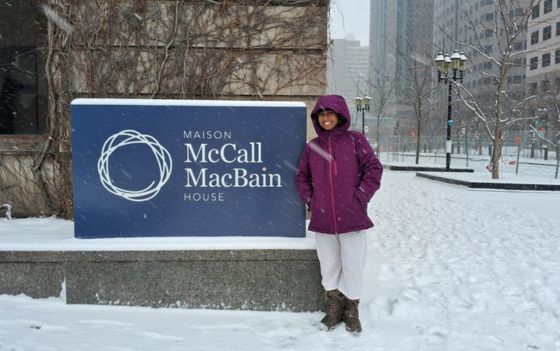
Kiran's story is pure inspiration! Growing up in Kolkata she juggled family and studies. “Having to raise three children wasn’t easy for my parents, but World Vision India supported my education and helped me discover my passion for social issues.” World Vision India’s Snehadeep community project and Play for Peace programme, conducted workshops on life skills, street plays, and puppet shows which became platforms for her to find her voice.