Climate Change and Child Rights: How Heatwaves and Floods Disrupt Children’s Lives
Climate change is no longer a future concern. It is already reshaping childhood across vulnerable communities in India. Rising temperatures, intense heatwaves, unpredictable floods, and prolonged droughts are not just environmental issues. They are direct threats to children’s rights, safety, education, nutrition, and survival.
Children are among the least responsible for climate change, yet they are the ones paying the highest price. Their bodies are more sensitive to heat. Their dependence on caregivers makes them more vulnerable during disasters. When climate shocks hit, children lose stability first and recover last.
How climate change turns daily life into a survival challenge for children
Extreme weather events disrupt every aspect of a child’s routine. Heatwaves force schools to shut down. Floods wash away homes and learning spaces. Droughts reduce food availability. Each disruption chips away at a child’s right to a safe and healthy childhood.
Heat stress in children is often overlooked. Prolonged exposure to extreme heat affects physical growth, concentration, and emotional wellbeing. Children living in informal settlements or rural areas often lack access to cooling, clean drinking water, or medical care. This makes heatwaves a silent but deadly threat.
Floods create immediate danger and long term instability. Families are displaced overnight. Children are exposed to unsafe shelters, contaminated water, and increased risk of disease. Once displaced, many children never return to school.
This is where climate change and child rights intersect most visibly.
Education is one of the first casualties
When climate disasters strike, education stops. Schools double as relief camps or are damaged beyond use. Books and uniforms are lost. Teachers are displaced. For children from low income families, even short breaks can turn into permanent dropouts.
Girls are especially affected. After floods or droughts, families under stress may prioritise household labour or early marriage over education. Boys are often pushed into work to support family income. Climate stress reinforces existing inequalities and deepens gender gaps.
This disruption directly violates a child’s right to education and limits their future opportunities.
Hunger and malnutrition rise after every climate shock
Climate change threatens food systems at every level. Crop failure due to heat or floods reduces food availability. Rising prices limit access. Children from marginalised communities feel the impact immediately.
Malnutrition weakens immunity and affects brain development. During climate emergencies, nutrition programmes are often interrupted. Pregnant women and young children miss vital support during critical growth stages. The result is a cycle where climate shocks lead to hunger, hunger leads to poor health, and poor health limits learning and development.
This is why child health and the climate crisis must be treated as a connected issue, not separate challenges.
Water scarcity and disease risks increase sharply
Heatwaves dry up water sources. Floods contaminate them. Children are forced to drink unsafe water or walk long distances to collect it. This exposes them to water borne diseases, dehydration, and physical strain. In overcrowded relief shelters, poor sanitation increases the risk of infections. Children with disabilities face even greater barriers to accessing clean water and toilets during emergencies.
Safe water is a basic right. Climate change makes that right harder to protect.
Psychological trauma often goes unnoticed
The emotional impact of climate disasters on children is rarely addressed. Losing a home, witnessing destruction, or being separated from family leaves deep psychological scars. Children experience fear, anxiety, sleep disturbances, and long term stress. Without proper support, this trauma affects learning, relationships, and mental health well into adulthood.
Disaster response often focuses on infrastructure and relief supplies. Emotional recovery is treated as secondary, even though it shapes a child’s future resilience.
Poverty and exploitation risks increase after disasters
When families lose livelihoods due to floods or heat related crop failure, children face higher risks of exploitation. Child labour, trafficking, and early marriage rise sharply after climate disasters. Economic stress forces families into desperate choices. Children become coping mechanisms instead of protected individuals.
This reality highlights the link between children affected by heatwaves and long term social harm.
Why climate justice must include children
Children have the right to survival, development, protection, and participation. Climate change threatens all four. Yet children’s voices are rarely included in climate decision making. Policies that ignore children’s needs fail to protect future generations. Climate action must recognise children not only as victims but as rights holders.
This is where climate justice for children becomes essential. Protecting the environment without protecting children is incomplete justice.
Building resilience through community centred solutions
Children can survive climate shocks better when communities are prepared. Early warning systems, climate resilient schools, nutrition continuity plans, and child friendly disaster response make a measurable difference. Equally important is educating children about climate risks in age appropriate ways. Awareness builds resilience and agency.
Organisations working at the grassroots level play a critical role in linking climate adaptation with child protection. Long term change requires sustained investment, not just an emergency response.
A future at risk if action is delayed
Climate change is reshaping childhood faster than policy responses can keep up. Every delayed action increases the burden on children who had no role in creating this crisis. Protecting children from climate harm is not charity. It is a responsibility. Governments, institutions, and communities must act with urgency and accountability.
The choices made today will determine whether children inherit a livable future or a cycle of crisis.
Kiran's Inspiring Journey to Canada
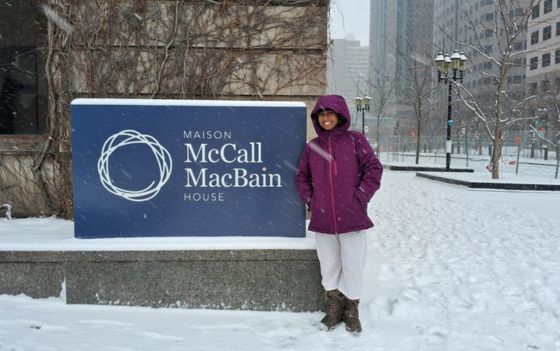
Kiran's story is pure inspiration! Growing up in Kolkata she juggled family and studies. “Having to raise three children wasn’t easy for my parents, but World Vision India supported my education and helped me discover my passion for social issues.” World Vision India’s Snehadeep community project and Play for Peace programme, conducted workshops on life skills, street plays, and puppet shows which became platforms for her to find her voice.