Disaster Risk Reduction for Children: Preparing Communities for Floods and Cyclones
Floods and cyclones are becoming more frequent and more intense across India. While these disasters affect entire communities, children are always the most vulnerable. Their safety depends not only on emergency response but on how well communities are prepared before disaster strikes. Disaster risk reduction for children is not an optional activity. It is a necessity for protecting lives, dignity, and futures.
Children face unique risks during floods and cyclones. They are physically weaker, emotionally more sensitive, and dependent on adults for protection. When disasters hit unprepared communities, children are the first to suffer and the last to recover. Preparing communities in advance can significantly reduce these risks and help children survive and recover with dignity.
Why children need special focus in disaster preparedness
Disasters do not affect children in the same way they affect adults. During floods, children are more likely to drown or fall sick due to contaminated water. During cyclones, they face risks from collapsing homes, flying debris, and displacement. Beyond physical harm, disasters interrupt education, separate families, and create long term psychological trauma.
Preparedness that ignores children fails at its core purpose. Child focused disaster risk reduction ensures that early warning systems, evacuation plans, shelters, and relief services are designed with children in mind.
World Vision has consistently emphasised that protecting children before disasters occur is more effective than responding to damage after it has happened.
Understanding disaster risk reduction for children
Disaster risk reduction focuses on identifying risks, reducing vulnerabilities, and strengthening community capacity to handle hazards. For children, this means creating safe environments where their rights to survival, protection, and development are safeguarded even during emergencies.
Effective child centred disaster risk reduction includes
- Identifying flood and cyclone risks specific to children
- Strengthening family and community preparedness
- Ensuring child friendly shelters and services
- Protecting education and nutrition during emergencies
This approach moves beyond relief and focuses on resilience.
Community preparedness saves children’s lives
Communities that are prepared respond faster and more effectively during disasters. Early warning systems allow families to evacuate safely. Clear evacuation routes reduce chaos and panic. Safe shelters prevent injuries and exploitation. Training community members to look after children during emergencies is equally important. When adults know how to support children physically and emotionally, the impact of disasters reduces significantly.
World Vision works closely with local communities to strengthen preparedness plans that prioritise children, especially those with disabilities and those from marginalised families.
Schools play a critical role in disaster readiness
Schools are more than learning spaces. They are centres of safety and information. When schools are disaster resilient, children are better protected. Disaster education helps children understand risks and respond calmly during emergencies.
Prepared schools ensure
- Safe infrastructure that can withstand floods and cyclones
- Emergency drills that include evacuation and first aid
- Teachers trained to support children during crises
When education systems are prepared, children return to normalcy faster after disasters.
The importance of child friendly shelters
During floods and cyclones, families are often displaced to temporary shelters. These spaces can either protect children or expose them to new risks. Overcrowding, lack of privacy, and poor sanitation increase the chances of illness and abuse. Child friendly shelters provide safe spaces where children can rest, play, and receive emotional support. Access to clean water, nutrition, and healthcare is essential. Protection mechanisms must be in place to prevent neglect and exploitation.
World Vision integrates child protection measures into emergency shelters to ensure children feel safe even in crises.
Psychological preparedness is often overlooked
Disasters leave emotional scars. Children may experience fear, anxiety, and confusion long after the event. Without support, this trauma can affect learning and behaviour. Prepared communities understand the importance of psychosocial care. Simple actions such as maintaining routines, creating safe play spaces, and listening to children help them cope better.
Training caregivers and volunteers to recognise emotional distress strengthens community resilience and supports long term recovery.
Strengthening families strengthens children
Families are the first line of protection for children. When families are prepared, children are safer. This includes knowing evacuation plans, storing essential supplies, and understanding early warning signals. Economic resilience also matters. Families with stable livelihoods recover faster after disasters. Social protection and livelihood support reduce the pressure that often leads to negative coping mechanisms affecting children.
World Vision supports families by linking disaster preparedness with livelihood and community development initiatives.
From response to resilience
Disaster risk reduction is not a one time activity. It is a continuous process that evolves with changing risks. Climate change has increased the unpredictability of floods and cyclones, making preparedness more important than ever. Communities that invest in preparedness reduce loss of life, protect development gains, and recover faster. Children growing up in resilient communities are more likely to stay in school, remain healthy, and feel secure.
This shift from response to resilience defines sustainable disaster management.
A shared responsibility to protect children
Protecting children from disasters requires collective action. Governments, civil society, communities, and families must work together. Policies must reflect children’s needs. Local systems must be strengthened. Children themselves should be included in preparedness activities appropriate to their age.
World Vision believes that when children are protected before disasters strike, communities become stronger and more hopeful. Preparing today saves lives tomorrow. For children living in disaster prone areas, preparedness is the difference between fear and safety, loss and resilience, survival and a secure future.
Kiran's Inspiring Journey to Canada
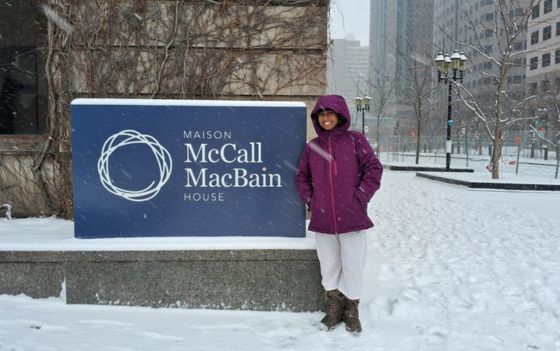
Kiran's story is pure inspiration! Growing up in Kolkata she juggled family and studies. “Having to raise three children wasn’t easy for my parents, but World Vision India supported my education and helped me discover my passion for social issues.” World Vision India’s Snehadeep community project and Play for Peace programme, conducted workshops on life skills, street plays, and puppet shows which became platforms for her to find her voice.