From Survival to Strength: How World Vision India Is Empowering Women Across India
Introduction
Across India, women carry, yet their lives are often shaped by inequality, limited opportunity, and the quiet weight of responsibilities that go unseen. In many homes, women wake before dawn, cook meals, fetch water, care for children, and manage finances, often without recognition or support. But beneath these daily struggles lies tremendous potential. When women receive the right opportunities, entire families and even entire villages change.
World Vision India is helping unlock this potential. Through a holistic model that combines skills training, financial inclusion, health education, gender equality initiatives, and community leadership development, the organization empowers women to rise beyond survival. These programmes, rooted in child sponsorship and community transformation, create pathways for dignity, independence, and leadership that strengthen not only women but entire communities.
The Hidden Challenges Women Face in India
Despite progress, women in India continue to face significant hurdles:
- Unequal access to education and jobs
- Early marriage and domestic responsibilities
- Dependence on male earnings
- Limited mobility and cultural restrictions
- Lack of awareness about rights and legal protections
- Health challenges, including malnutrition and reproductive issues
These barriers trap generations in cycles of poverty. When women lack choices, so do their children. Empowering women is therefore essential not only for gender equality but for community development, child protection, education, and long-term prosperity.
World Vision India’s women empowerment initiatives take a whole-community approach, addressing economic, social, emotional, and health-related challenges at the same time.
1. Skills That Transform Lives
The first step toward empowerment is financial independence. World Vision India provides hands-on vocational training that helps women earn reliable incomes.
Training areas include:
- Tailoring and embroidery
- Beauty and wellness
- Food processing and catering
- Agriculture and organic farming
- Goat rearing and poultry
- Retail and hospitality
- Handicrafts and micro-business entrepreneurship
Women receive professional training, access to equipment, and ongoing mentorship. Many start home-based businesses, while others secure employment in local shops, garment units, or service industries.
Why this matters:
When women earn their own income, decisions change at home, children stay in school, families eat better, debts shrink, and women gain respect and voice within the household.
2. Building Stability and Confidence
Across India, Self-Help Groups (SHGs) supported by World Vision India are becoming powerful engines of change.
Women learn to:
- Save money regularly
- Access microloans without fear
- Manage budgets
- Run small enterprises
- Negotiate better prices with vendors
- Support one another emotionally and socially
These groups often become a woman’s first platform for leadership. They strengthen confidence and equip women with financial discipline, turning them from “dependents” into decision-makers.
3. Empowering Women from the Inside Out
A woman who is healthy physically and emotionally can take charge of her life. Yet many women in India lack access to basic health education or services.
World Vision India responds through:
Maternal Health Support
- Prenatal check-ups
- Nutrition counselling
- Newborn care guidance
- Birth preparedness sessions
Menstrual Hygiene Management
- Awareness sessions to break stigma
- Distribution of sanitary materials
- Workshops for adolescent girls on puberty and body confidence
Nutrition Education
Women learn to prepare affordable, nutrient-rich meals using local produce. This directly improves the health of children, especially during the crucial early years.
WASH (Water, Sanitation and Hygiene) Support
Access to clean water, toilet facilities, and hygiene training ensures safety and reduces illness, especially for girls and mothers.
Healthy women create healthy homes, improving child well-being, academic performance, and long-term outcomes.
4. Giving Women a Voice
Empowerment requires knowledge. World Vision India helps women learn about:
- Domestic violence laws
- Property rights
- Legal protections against abuse
- Government schemes for women
- Helplines and support networks
Workshops bring men and boys into conversations about respect, equality, and shared responsibility. These sessions shift gender norms and reduce violence, contributing to safer homes and healthier relationships.
Once silent, women are now raising their voices against early marriage, abuse, and injustice, protecting not only themselves but the next generation.
5. Catalysts for Community Transformation
When women lead, communities grow stronger. World Vision India trains women in leadership, public speaking, and advocacy so they can take active roles in:
- Village development committees
- Disaster management teams
- School monitoring committees
- WASH committees
- Local governance meetings
Women begin identifying community problems and driving solutions, from installing water taps and solar lights to preventing child labour and improving school attendance.
These leadership pathways redefine what a “woman’s role” can be and inspire young girls to dream bigger.
6. Empowered Mothers: Empowered Children
Women’s empowerment directly improves the well-being of children.
How families benefit:
- More nutritious meals
- Better school attendance
- Reduced domestic conflict
- Higher household income
- Healthier emotional environment
- Greater protection for girls
Through World Vision India’s sponsorship model, programmes for women and children reinforce each other, creating whole-family transformation.
7. Stories of Strength from Across India
Tamil Nadu: From Tailor to Entrepreneur
A group of women who once stitched clothes for neighbours now run a full-fledged tailoring unit. With World Vision India’s training and sewing machines, they secured contracts to produce school uniforms, earning a steady income and training younger girls.
Bihar: Beating Poverty Through Agriculture
Women who joined agriculture training now run vegetable and dairy micro-enterprises, forming cooperatives that sell to nearby markets. Their success pulled families out of debt and helped fund their children’s education.
Rajasthan: A Mother Who Stopped Child Marriage
After attending a rights workshop, one mother confronted village elders to stop two child marriages. Today, she leads a committee that protects girls from exploitation and keeps them in school.
These stories show that empowerment is not only about income, it is also about dignity, confidence, and transformation.
FAQ
What women empowerment programmes does World Vision India offer?
Livelihood training, SHGs, gender awareness, health education, leadership development, and WASH support.
Do these programmes benefit children?
Absolutely. Women who are empowered invest more in education, nutrition, and safety.
Who can participate?
Women from vulnerable communities, including mothers, young wives, and adolescent girls.
Are men involved?
Yes. Gender sensitization sessions include men and boys to build supportive, equitable households.
How can I support this work?
Sponsor a child or donate to strengthen programmes for women and families.
Conclusion
Women’s empowerment is not a single effort; it is a movement that transforms homes, schools, villages, and futures. World Vision India’s approach reaches women where they are, equipping them with skills, confidence, health knowledge, and leadership opportunities that shift them from survival to strength.
By supporting these programmes, you are not just uplifting women, you are building stronger families, safer communities, and a more equitable India.
Kiran's Inspiring Journey to Canada
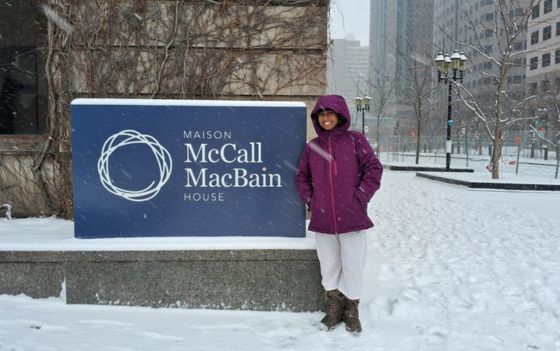
Kiran's story is pure inspiration! Growing up in Kolkata she juggled family and studies. “Having to raise three children wasn’t easy for my parents, but World Vision India supported my education and helped me discover my passion for social issues.” World Vision India’s Snehadeep community project and Play for Peace programme, conducted workshops on life skills, street plays, and puppet shows which became platforms for her to find her voice.