From Empty Plates to Healthy Futures: Community Nutrition Programs in India That Work
Introduction
In many remote villages across India, countless children once sat before empty steel plates, waiting for food that often never came. Parents worked hard in the fields but still struggled to provide rice, vegetables, or fruit for their families.
When the team from World Vision India visited these communities, they found children weak, tired, and missing school, not because parents didn’t care, but because many didn’t know what healthy food meant or how to grow it, and that visit marked the beginning of a powerful journey from empty plates to healthy futures.
What Is Malnutrition and Why Does It Matter
Malnutrition means not getting enough of the right food to grow strong and stay healthy. In India, this continues to be a major challenge. According to the National Family Health Survey 5 (NFHS-5):
- 35% of children under five years old are underweight.
- 19 % suffer from wasting (too thin for their age).
- 57 % of women aged 15 to 49 are anaemic.
Behind every statistic is a child unable to study well or play freely. Hunger steals more than food. It takes health, hope, and imagination.
“Good nutrition is like sunlight for a child; it helps them grow, think, and dream bigger.”- World Vision India Health Team
How World Vision India Helps Villages Thrive
World Vision India focuses on skills, habits, and systems that families can sustain well beyond any single distribution drive.
1) Practical Food Education
Peer cooking demos and courtyard sessions teach balanced plates using local staples (millets/greens/pulses), safe food handling, and simple meal planning - so families can build diverse meals on a budget.
2) Kitchen Gardens for Everyday Greens
Households receive seed kits, basic tools, and seasonal crop guidance. Courtyards turn into mini-plots for spinach, amaranth, gourds, and tomatoes—improving diet diversity and sometimes generating small surplus income.
3) Growth Monitoring + Caregiver Coaching
Community rooms/anganwadis serve as growth corners where height, weight, and MUAC are tracked; caregivers get quick recipe tweaks and low-cost, protein-rich meal ideas when a child’s growth flags.
4) Support for Mothers & Babies
Mother groups and counselling promote immediate initiation of breastfeeding, exclusive breastfeeding for 6 months, and continued breastfeeding with appropriate complementary foods—World Vision’s formal position and programming emphasis.
5) School Hygiene & Health Clubs
Child-focused, play-based hygiene programs (like WV’s WASH UP!) use stories, games, and routines to make handwashing and safe toilet use a habit—children take these practices home, amplifying impact.
6) Clean Water & WASH as the Backbone
WV’s WASH work brings safe water access, dignified sanitation, and hygiene behaviour change to communities and schools—reducing infection so nutrients are actually absorbed. (Handwashing promotion is linked to ~30% lower diarrhoea incidence in public-health evidence.)
Real Change in Just One Year
Within a year, the change was visible everywhere. Children attended school regularly, smiled more, and played actively. Health workers recorded a 30 % drop in underweight children.
Across states like Odisha, Maharashtra, Bihar, and Tamil Nadu, more than 100,000 children and 10,000 families have joined similar programs. “When families grow and cook their own food, it transforms the entire village physically, emotionally, and economically.”
Why These Programs Work
Empowerment, Not Charity
World Vision India’s approach focuses on teaching and empowering communities, not just providing aid. This ensures long-term, sustainable impact.
Clean Water & Hygiene (WASH)
Many villages lacked safe drinking water or sanitation facilities through new wells, hand-washing stations, and hygiene education, and diarrhoea and related sicknesses were reduced by 40% in just 18 months. Healthy bodies absorb nutrients better; that’s why WASH is vital.
Livelihood Support
Families are trained to raise goats, chickens, and small crops. The additional income helps them buy milk, eggs, and fruits throughout the year, ensuring balanced diets and financial security.
Partnerships for Success
World Vision India collaborates with ICDS (Integrated Child Development Services), Poshan Abhiyaan, and various corporate CSR initiatives. Together, they build solar-powered water pumps, community kitchens, and shared gardens. These partnerships amplify impact through teamwork and resource sharing.
The Bigger Picture: Why Hunger Still Exists
Despite progress, hunger continues because of:
- Poverty and job loss after the pandemic.
- Floods and disasters that destroy crops and homes.
- Lack of ration cards blocks access to subsidised food.
Under the National Food Security Act (2013), eligible families should receive 5 kg of grain per person each month, but many still wait. World Vision India assists families in applying for ration cards while teaching sustainable nutrition practices.
A New Beginning
Across India, transformation is visible. Women’s groups exchange seeds and recipes, schools harvest their own vegetables, and families take pride in eating what they grow. Children now bring lunchboxes filled with rice, dal, and greens, symbols of dignity and progress. “Every healthy meal served today plants the seed for a stronger India tomorrow.”
How You Can Help
You can make a real difference in many ways. Help feed hungry children by supporting community feeding centres. Empower families to grow their own food by donating seeds or garden tools. Care for mothers and babies by giving nutrition kits or sponsoring health check-ups. Bring clean water to communities by funding wells or water filters. And support education by sponsoring a child’s schooling and daily meals.
Every small act fills another plate and brings another smile.
Conclusion: From Hunger to Hope
Ending hunger isn’t only about food. It’s about education, hygiene, empowerment, and compassion. Through nutrition, livelihood, and clean-water programs, World Vision India helps families live healthier, happier, and more independent lives.
Each seed planted and each child fed brings India one step closer to a future where no child goes to bed hungry. Because when children eat well today, India grows stronger tomorrow.
FAQs
- What is this programme about?
It teaches families to eat well, grow vegetables, and maintain clean water and hygiene at home.
- Who benefits from it?
Children, mothers, and families in villages that struggle with hunger and poor nutrition.
- What has changed so far?
Over 100,000 children are healthier now, with malnutrition reduced by 30 % in targeted areas.
- How can I join or support?
You can donate, volunteer, or sponsor a child through World Vision India.
Kiran's Inspiring Journey to Canada
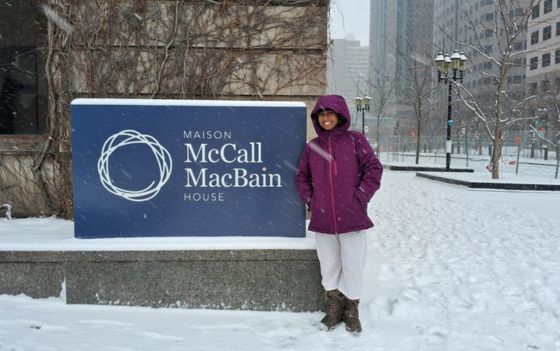
Kiran's story is pure inspiration! Growing up in Kolkata she juggled family and studies. “Having to raise three children wasn’t easy for my parents, but World Vision India supported my education and helped me discover my passion for social issues.” World Vision India’s Snehadeep community project and Play for Peace programme, conducted workshops on life skills, street plays, and puppet shows which became platforms for her to find her voice.