Hidden Dangers of Street Work for Children in India
When people walk through busy city streets in India, they often notice children selling flowers, collecting scrap materials, washing vehicles, or carrying heavy loads. For many passers-by, these scenes may appear to be children helping their families earn a small income.
However, the reality behind street work is far more complex and concerning.
Children working in public spaces are often exposed to unsafe environments, long working hours, and situations that threaten their physical and emotional well-being. Instead of spending their time in classrooms or playing with friends, these children are forced to navigate dangerous conditions simply to survive. Street work can limit a child’s access to education, healthcare, and protection. Without support, these experiences can shape their entire future.
World Vision works to address these challenges by protecting vulnerable children and creating opportunities for them to return to school and safe environments.
The Hidden Risks of Street Work
Street work is rarely safe for children.
Children working on roads or in markets face multiple dangers including:
- Road accidents
- Physical and emotional abuse
- Exploitation and trafficking
- Exposure to pollution and disease
Without protection or supervision, these children become extremely vulnerable.
For this reason, child welfare organizations across India are advocating for stronger protection systems and improved access to education.
How Street Work Affects Children's Health and Nutrition
Working on the streets does not only expose children to physical danger, it also affects their health and development.
Many children involved in street work spend long hours outside without regular meals, clean water, or access to healthcare. As a result, they may experience malnutrition, fatigue, and weakened immunity. Poor nutrition during childhood can have lasting effects, including stunted growth and difficulties concentrating in school.
To address these challenges, many community health initiatives focus on improving the well-being of vulnerable children. Programs that provide nutrition programs for children help ensure that children receive balanced meals that support their growth and development.
Access to safe drinking water also plays an important role in protecting children from illness. Through clean drinking water projects and safe water initiatives, communities gain access to healthier living conditions that support children's overall well-being.
The Education Gap Created by Street Work
One of the most serious consequences of street work is the disruption of a child’s education. Children who work long hours often miss school regularly or drop out completely. Without education, their opportunities for stable employment and personal development become limited. Education is essential not only for academic learning but also for building confidence and life skills.
This is why many child-focused NGOs in India focus on reconnecting working children with schools. Through targeted education programs, NGOs help children re-enter classrooms and continue their learning journey.
Many initiatives include school support programs that provide books, uniforms, and learning materials. These resources remove financial barriers and allow children to focus on their education rather than daily survival.
By supporting children's return to school, NGOs help create pathways toward more secure and hopeful futures.
Hygiene and Living Conditions for Street Children
Children working on the streets often lack access to proper sanitation facilities and clean water. Poor hygiene conditions can increase the risk of illness and infection. Many NGOs therefore focus on improving living conditions through programs related to Water, Sanitation and Hygiene (WASH).
These initiatives promote healthier communities by encouraging safe hygiene practices and improving access to sanitation facilities. Programs such as sanitation awareness programs and hygiene education in India help children and families understand how simple habits like handwashing and maintaining clean surroundings can prevent disease.
By improving sanitation infrastructure and access to clean water, these programs help create safer environments where children can grow and learn more effectively.
The Role of NGOs in Protecting Vulnerable Children
Addressing the issue of street work requires coordinated efforts from many different stakeholders.
While governments implement laws and policies to prevent child labour, NGOs often play a crucial role in reaching children directly within communities.
As a non-profit organization in India, World Vision works closely with communities to identify children at risk and provide support systems.
These include:
- Education and bridge learning programs
- Family support services
- Maternal and child health programs
- Community awareness initiatives
Through these comprehensive programs, NGOs help reduce the number of children forced into unsafe work environments.
Strengthening Families to Prevent Child Labour
In many cases, children work on the streets because their families are facing severe financial difficulties. Parents may rely on their children’s income simply to meet basic needs. Addressing this challenge requires supporting families so that children no longer need to work.
Programs run by humanitarian NGOs in India often focus on strengthening family livelihoods and providing access to essential services such as healthcare, education, and community support. When families receive the resources and guidance they need, they are better able to provide safe and stable environments for their children.
As a result, children are more likely to remain in school and focus on building their future rather than working on the streets
Working Together to Protect Childhood
Ending the dangers associated with street work requires collaboration between communities, schools, government institutions, and international NGOs in India.
Public awareness is an important step in creating change. When communities understand the risks children face on the streets, they become more willing to support programs that protect children and promote education.
Community leaders, teachers, and families can all play a role in ensuring that children are given opportunities to learn and grow in safe environments
Protecting Childhood for a Better Future
Childhood should be a time of learning, curiosity, and personal growth. Unfortunately, for many children working on the streets, these opportunities are replaced by daily struggles and unsafe environments.
World Vision India NGO protects children from unsafe work environments and helps them return to school.
Through collective efforts and continued commitment, it is possible to create a future where every child has access to safety, education, and opportunity.
Because every child deserves more than survival, they deserve a childhood filled with hope, learning, and the chance to build a better tomorrow.
Kiran's Inspiring Journey to Canada
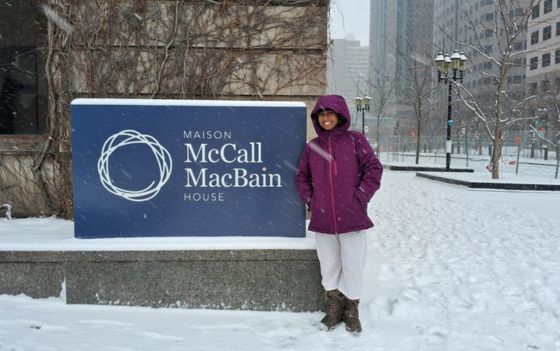
Kiran's story is pure inspiration! Growing up in Kolkata she juggled family and studies. “Having to raise three children wasn’t easy for my parents, but World Vision India supported my education and helped me discover my passion for social issues.” World Vision India’s Snehadeep community project and Play for Peace programme, conducted workshops on life skills, street plays, and puppet shows which became platforms for her to find her voice.