How a Cleaner Cook Stove Improved Child Health and Women’s Well-being in Rural Nagpur
Before dawn broke over her village near the forests of Nagpur, Radha was already awake.
Every day began the same way. She gathered firewood, lit the traditional stove, and crouched beside the open flame to prepare meals for her family. Smoke filled the small cooking space, stinging her eyes and making it difficult to breathe. Nearby, her youngest child often sat watching as the morning routine unfolded.
For years, Radha accepted this as a normal part of life. It was how generations of women in her family had cooked. The smoke, the long hours spent collecting wood, and the constant exhaustion seemed unavoidable. Like many women in rural communities, she considered these challenges part of her daily responsibilities.
But there were signs she could not ignore.
Living with Smoke Every Day
The persistent cough that troubled her children worried her deeply. What began as occasional discomfort gradually became a concern that affected the entire family. Every day, smoke from the traditional stove filled the cooking area, exposing both Radha and her children to unhealthy air.
The hours spent searching for firewood also consumed valuable time. Gathering enough wood for daily cooking required long walks and considerable effort. During busy seasons, this task became even more demanding.
Like many women across rural communities, Radha carried the burden of household cooking while managing several other responsibilities. She cared for her children, maintained the household, prepared meals, and handled many daily tasks that kept the family going.
What seemed like a simple daily routine came with hidden costs to health, time, and well-being.
Indoor air pollution from traditional cooking methods continues to affect many families, especially women and children who spend the most time near cooking areas. Clean cooking solutions are closely connected to healthcare for children India, child health NGO efforts, and wider community wellbeing.
For Radha, the impact was woven into everyday life. The smoky cooking environment had become so familiar that it was easy to overlook how much it affected her family. Yet the signs were visible every day, in tired eyes, persistent coughing, and the endless cycle of collecting firewood and tending the stove.
Radha’s experience is one of many NGO impact stories that show how small changes at home can improve child health, reduce women’s daily burden, and support sustainable community development.
A Small Change at Home
When a cleaner and more efficient cook stove was introduced in her community, Radha was unsure whether it would make much difference.
“A stove is a stove,” she thought.
Like many people encountering a new solution for the first time, she wondered whether it could truly improve her daily routine. After years of relying on traditional cooking methods, it was difficult to imagine a different way of doing things.
Yet the benefits became clear almost immediately.
The improved stove produced significantly less smoke and required less firewood. Meals could be prepared more quickly, and the air inside her cooking area felt noticeably cleaner. Cooking became more comfortable, allowing her to spend less time managing the fire and more time focusing on other responsibilities.
Most importantly, her children no longer suffered from the constant coughing that had become so familiar.
The change was practical, but its effects reached far beyond the kitchen. The reduced need for firewood meant fewer hours spent collecting fuel. Daily chores became more manageable, and household routines became more efficient.
This simple improvement shows how WASH livelihood programs, NGO initiatives and household-level health interventions can support families in practical ways. By reducing smoke exposure, easing women’s workloads, and improving home environments, such efforts contribute to healthier and more resilient communities.
More Time for What Matters
As cooking became easier and faster, Radha discovered something she had rarely experienced before, extra time.
The hours she once spent gathering wood and tending smoky fires could now be used differently. Instead of dedicating so much of her day to cooking-related tasks, she found opportunities to focus on other important areas of life.
Evenings became opportunities to sit with her children, help with homework, and connect with neighbours. These moments strengthened family relationships and created space for meaningful conversations and shared experiences.
The change also brought greater peace of mind. Radha no longer worried as much about the smoke her family inhaled every day. The cleaner cooking environment made her home feel healthier and more comfortable.
For many families, such changes become women empowerment success stories because they reduce unpaid labour, improve household wellbeing, and give women more time for family, livelihood, and community participation.
For Radha, the new stove did not solve every challenge she faced. Like many families, she continued to navigate the realities of daily life and household responsibilities. But it improved daily life in meaningful ways.
The combination of cleaner air, reduced workload, and additional time created benefits that extended well beyond cooking. Small improvements began making a noticeable difference in her family’s overall well-being.
Building Healthier Homes and Stronger Communities
Sustainable change often begins with small improvements that strengthen everyday life.
Cleaner cooking solutions help create healthier home environments, improve child wellbeing, and reduce burdens that disproportionately affect women and children. These practical interventions address daily challenges while creating opportunities for families to live with greater comfort, confidence, and dignity.
This reflects a holistic development model NGO approach, where health, environment, women’s wellbeing, and sustainable community development are addressed together. It also shows why impact-driven NGOs focus on practical, community-based solutions that respond to real needs.
Radha’s story is also one of many community change stories that remind us how meaningful transformation can begin inside the home. A safer cooking space can improve health, save time, reduce stress, and support better family relationships.
For Radha, the greatest gift was not simply a new stove. It was the opportunity to spend less time battling smoke and more time investing in her family’s future.
The extra hours she gained each day became valuable moments for her children, her household, and her community. And sometimes, a few extra hours each day can make all the difference.
Kiran's Inspiring Journey to Canada
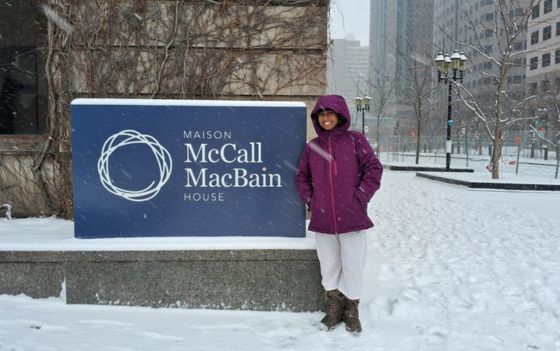
Kiran's story is pure inspiration! Growing up in Kolkata she juggled family and studies. “Having to raise three children wasn’t easy for my parents, but World Vision India supported my education and helped me discover my passion for social issues.” World Vision India’s Snehadeep community project and Play for Peace programme, conducted workshops on life skills, street plays, and puppet shows which became platforms for her to find her voice.