How Menstrual Health Support Helps Girls Stay in School: An Education Transformation Story
Priya loved school.
At thirteen, she was curious, hardworking, and consistently among the top students in her class. She enjoyed learning and dreamed of continuing her education. Every day brought new opportunities to discover something different, participate in lessons, and spend time with her friends.
Then something changed.
When she began menstruating, school became a place filled with anxiety rather than opportunity. There was no private toilet, no safe place to change, and little understanding about menstrual health. What should have been a natural part of growing up suddenly became a source of stress and uncertainty.
So, every month, Priya stayed home.
What began as a temporary adjustment gradually became a recurring challenge that affected her education, confidence, and sense of belonging in the classroom.
The Silent Barrier to Education
Each month, Priya fell behind in lessons. While her classmates continued learning, she struggled to catch up. Important classroom discussions, assignments, and activities took place while she was absent. Returning to school after several missed days often left her feeling overwhelmed and disconnected from her studies.
Feelings of embarrassment and isolation replaced the confidence she once felt in the classroom. The fear of managing menstruation without proper facilities made attending school increasingly difficult. Instead of focusing on learning, she worried about situations that could cause discomfort or shame.
By the age of fifteen, she had stopped attending school altogether.
Priya’s experience reflects the reality faced by many adolescent girls across India. Menstruation remains surrounded by stigma and misinformation, while inadequate sanitation facilities create practical barriers to education. Many girls face similar challenges that affect not only attendance but also their overall educational experience.
Across many communities, education for poor children is influenced not only by financial hardship but also by barriers related to health, sanitation, and social stigma. For adolescent girls, the absence of safe facilities can directly affect attendance and learning outcomes. Addressing these challenges is essential for ensuring quality education for poor children and helping girls remain engaged in their studies.
Stories like Priya’s are important NGO impact stories because they show how access to sanitation and menstrual health support can influence educational opportunities and long-term well-being. They are also educational transformation stories that demonstrate how practical solutions can help girls stay in school.
Creating Safe Spaces for Girls
Recognising these challenges, World Vision India’s WASH programmes work with communities to address both infrastructure and awareness.
The approach goes beyond simply providing hygiene products. Schools are supported with girl-friendly sanitation facilities, while awareness sessions help students, parents, and communities understand menstrual health as a normal and important aspect of wellbeing.
These efforts form part of wider WASH programs in India that focus on improving access to safe water, sanitation, and hygiene. By strengthening sanitation and hygiene for schools in India, communities can create learning environments where girls feel safe, respected, and supported.
Awareness programmes encourage open conversations about menstrual health and challenge the stigma that often surrounds the topic. By involving students, families, teachers, and community members, these initiatives help build understanding and support for adolescent girls.
By creating safe and supportive environments, girls gain the confidence to attend school regularly and participate fully in learning. When schools provide private and accessible sanitation facilities, girls are better able to manage their periods with dignity. They no longer have to choose between their health needs and their education.
The goal is simple but powerful: ensuring that no girl misses out on education because of her period.
Confidence, Dignity, and Opportunity
When girls have access to proper sanitation facilities and accurate information, the benefits extend far beyond attendance records.
They gain confidence.
They participate more actively in school life.
They learn without fear or embarrassment.
Most importantly, they remain connected to opportunities that education can provide.
Girls who feel safe and supported are more likely to engage in classroom activities, pursue their academic goals, and build positive relationships with their peers and teachers. They can focus on learning rather than worrying about challenges related to menstrual health.
Confidence and dignity play a critical role in helping girls succeed. When these needs are met, girls are empowered to continue their education and make informed decisions about their future.
When girls can manage their menstrual health with dignity, they are more likely to continue their education, build confidence, and pursue their goals. These outcomes contribute to women's empowerment success stories and help empower girls' education across communities.
For girls like Priya, support during adolescence can determine whether education continues or comes to an abrupt end. The right support at the right time can make a lasting difference, helping girls stay in school and pursue the aspirations they once feared might be out of reach.
Investing in Girls' Futures
Creating sustainable change means addressing the barriers that often go unnoticed.
Through child development initiatives focused on water, sanitation, hygiene, and health education, communities are helping girls stay in school and pursue their aspirations with confidence. These efforts strengthen not only individual lives but also families, schools, and communities.
Supporting girls through menstrual health initiatives is also an important part of sustainable community development. When girls remain in school, communities benefit from improved educational outcomes, greater participation of women in society, and stronger opportunities for future growth.
A private toilet may seem like a simple facility.
A conversation about menstrual health may seem small.
Yet together, they can help ensure that girls remain where they belong, in classrooms, pursuing their education and shaping their futures.
For organisations working as a child welfare NGO and an NGO for Children in India, creating opportunities for girls to stay in school requires addressing both visible and invisible barriers to education. Priya’s story reminds us that access to safe sanitation facilities and menstrual health awareness can create meaningful community change stories and open the door to brighter futures for girls everywhere.
Because every girl deserves the chance to learn with dignity, confidence, and hope.
Kiran's Inspiring Journey to Canada
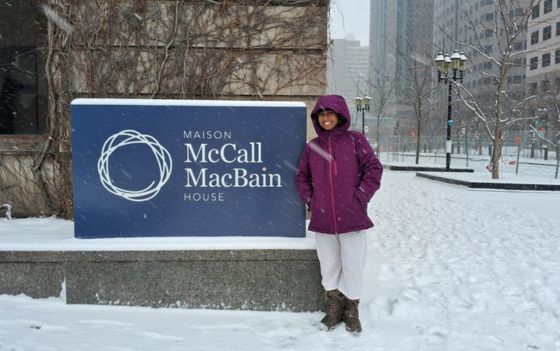
Kiran's story is pure inspiration! Growing up in Kolkata she juggled family and studies. “Having to raise three children wasn’t easy for my parents, but World Vision India supported my education and helped me discover my passion for social issues.” World Vision India’s Snehadeep community project and Play for Peace programme, conducted workshops on life skills, street plays, and puppet shows which became platforms for her to find her voice.