How World Vision Helps Families Rebuild After Emergencies
Emergencies arrive without warning and leave lasting impacts. Floods, cyclones, droughts, earthquakes, and public health crises can disrupt lives within hours, damaging homes, livelihoods, schools, and the sense of safety families rely on. For children, these moments are especially challenging, affecting not only physical safety but emotional well-being and future opportunities.
Responding to emergencies is about more than immediate relief. It involves walking alongside families as they recover, rebuild, and regain stability. From the first days of a crisis through long-term recovery, World Vision India focuses on protecting children, restoring dignity, and helping families build resilience for the future.
How Emergencies Affect Families and Children
When disasters strike, families often lose access to necessities such as safe shelter, clean water, food, healthcare, and education. Livelihoods are interrupted, savings are depleted, and community support systems weaken. Women, children, older persons, and people with disabilities are often the most affected.
Children face additional risks during emergencies. Displacement, school closures, unsafe living conditions, and emotional distress can have long-term consequences. Families may be forced into difficult decisions simply to cope, including withdrawing children from school or migrating in search of work. Understanding these realities is essential for responding in ways that support the whole family while prioritising child protection.
Rapid Emergency Response: Supporting Families When It Matters Most
In the immediate aftermath of a crisis, timely support can save lives. Emergency responses focus on providing essential assistance such as food support, safe drinking water, temporary shelter, hygiene supplies, and access to basic healthcare.
These responses are designed to be child-focused and inclusive, with special attention to pregnant and lactating women, young children, and families facing added vulnerabilities. Coordination with local authorities and community leaders helps ensure that assistance reaches those who need it most and supports families through the most critical phase of recovery.
Rebuilding Shelter and Restoring Basic Services
A safe home is central to family recovery. After emergencies, many families are left in damaged or temporary shelters that expose them to further risks.
Support for repairing or rebuilding homes uses safer construction practices to reduce vulnerability to future disasters. Alongside shelter, access to clean water, sanitation, and hygiene is prioritised to protect health and restore dignity.
Community water systems, sanitation facilities, and hygiene awareness initiatives help families re-establish healthy routines and regain a sense of normalcy.
Restoring Livelihoods and Economic Stability
Loss of income is one of the greatest challenges families face after emergencies. Without stable livelihoods, recovery remains fragile.
Livelihood recovery initiatives support families through skills training, agricultural inputs, small enterprise assistance, and access to savings or self-help groups. These efforts help households rebuild income, reduce dependence on aid, and strengthen their ability to meet everyday needs. Economic stability enables families to prioritise education, healthcare, and nutrition, which are critical for long-term recovery.
Helping Children Return to Learning
Education is often disrupted during emergencies, yet it plays a vital role in helping children recover emotionally and socially. Schools may be damaged, learning materials lost, and children displaced from familiar environments.
Support for education focuses on helping children return to learning as quickly as possible. Temporary learning spaces, school supplies, school repairs, and community engagement encourage families to keep children enrolled. Education provides structure, routine, and hope, while protecting children from risks such as child labour and early marriage during times of crisis.
Supporting Emotional Healing and Psychosocial Well-Being
The emotional impact of emergencies often lasts long after physical needs are addressed. Children and caregivers may experience fear, grief, anxiety, and prolonged stress.
Psychosocial support is integrated into emergency and recovery efforts through child-friendly spaces, group activities, counselling support, and community-based initiatives. Safe environments where children can play, express themselves, and feel supported are essential for emotional healing and healthy development.
Strengthening Community Resilience and Preparedness
Recovery is not complete unless families and communities are better prepared for future emergencies. Disaster preparedness and risk reduction efforts help reduce the impact of future shocks.
Training community volunteers, strengthening early warning systems, promoting safer building practices, and supporting local disaster response plans enable communities to take ownership of preparedness. When families work together to identify risks and solutions, they are better equipped to protect children and respond effectively in times of crisis.
Partnering With Communities for Sustainable Recovery
Families and communities are active partners in recovery, not passive recipients of aid. Community members are involved in planning, decision-making, and implementation to ensure responses are relevant, inclusive, and sustainable.
Partnerships with local governments and community leaders help align emergency recovery with long-term development goals. This collaborative approach ensures progress continues beyond the emergency phase and supports lasting change.
Rebuilding Hope, Together
Emergencies can cause deep loss, but they do not have to define the future. With timely support, compassion, and collaboration, families can rebuild their lives and move forward with confidence.
By supporting families through immediate relief and long-term recovery, World Vision India works with communities to restore dignity, protect children, and strengthen resilience. Together, these efforts help families rebuild not only homes and livelihoods but also hope and opportunity for generations to come.
Kiran's Inspiring Journey to Canada
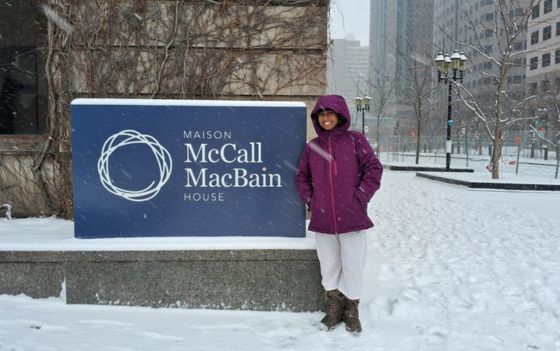
Kiran's story is pure inspiration! Growing up in Kolkata she juggled family and studies. “Having to raise three children wasn’t easy for my parents, but World Vision India supported my education and helped me discover my passion for social issues.” World Vision India’s Snehadeep community project and Play for Peace programme, conducted workshops on life skills, street plays, and puppet shows which became platforms for her to find her voice.