The Silence That Hurts: Why Menstrual Hygiene Is a Child Rights Issue
For millions of girls across India, growing up comes with challenges that often remain unspoken. Menstruation is a natural part of life, yet stigma, myths, and a lack of awareness make it difficult for many girls to manage their periods safely and with dignity. Some miss school because they lack sanitary products or private toilets. Others remain silent because they feel embarrassed to ask for help.
No girl should have to choose between her education and her health. Menstrual hygiene is not just about sanitary products; it is also about education, healthcare, safe sanitation, and the right to participate in everyday life without shame.
The Reality Behind Menstrual Hygiene in India
In many communities, menstruation is still treated as a subject that should not be discussed openly. Girls may grow up without understanding the changes happening in their bodies or knowing how to manage their periods safely. Cultural restrictions and misconceptions can make it harder for them to seek support.
For families struggling to meet their daily needs, purchasing sanitary products may not always be affordable. In some areas, the absence of clean toilets, running water, and private changing spaces creates additional challenges.
The National Family Health Survey (NFHS-4), conducted in 2015–16, reported that 48% of women aged 15–24 in rural India used hygienic methods of menstrual protection, compared with 78% in urban India. These historical figures highlight the differences in access to menstrual hygiene resources and information.
This is why healthcare for children in India must include menstrual health education, access to hygiene products, and facilities that protect girls' dignity. Without these essentials, girls may experience health problems, reduced self-esteem, and difficulties participating in everyday activities.
When a Period Becomes a Barrier to Education
For a girl who looks forward to attending school, menstruation should never become a reason to stay home. However, without suitable menstrual products or clean, private toilets, attending classes during her period can become stressful.
In 2020, World Vision India conducted a study in Faridkot, Punjab, involving 100 adolescent girls aged 12–18 from families dependent on agricultural and daily wage labour. The study highlighted how school closures during the COVID-19 pandemic disrupted access to sanitary pads for girls who relied on supplies distributed through their schools.
With limited alternatives, many girls returned to using old cloth and rags. The study reported that 71% experienced itching, while 68% reported irritation and soreness.
Behind these statistics are girls whose education and wellbeing were affected by circumstances beyond their control.
A girl who misses several days of school every month may fall behind in lessons, feel uncomfortable participating in class, or struggle to keep up with classmates. Over time, repeated absences can affect her educational opportunities.
Supporting education for poor children means addressing these barriers, too. Every girl deserves the opportunity to learn, attend school regularly, and work towards her dreams without menstruation interrupting her education.
Why Menstrual Hygiene Is a Child Rights Issue
Every child deserves health, education, safety, and dignity. Menstrual hygiene connects all these rights because a lack of appropriate support can prevent girls from enjoying them fully.
When menstruation is surrounded by shame, girls may hesitate to ask questions, seek medical advice, or explain their discomfort. When schools lack suitable sanitation facilities, girls may feel excluded from an environment that should support their learning.
Addressing these challenges requires practical action and a change in social attitudes.
Important steps include:
- Providing menstrual health education: Age-appropriate information helps girls understand their bodies, manage their periods safely, and recognise when they need medical support.
- Improving sanitation facilities: Clean toilets, running water, soap, and private changing spaces help girls manage menstruation with dignity. Effective WASH programmes in India can help make schools and communities safer and more inclusive.
- Making menstrual products accessible: Affordable and reliable access to suitable products reduces the pressure on families and helps girls avoid unsafe alternatives.
- Encouraging open conversations: Parents, teachers, boys, and community leaders can challenge harmful myths and treat menstruation as a normal part of life.
These actions make menstrual health a shared responsibility of families, schools, communities, and institutions rather than an issue girls must manage alone.
How NGOs Can Help Girls Manage Menstruation with Dignity
Community-based organisations play an important role in reaching girls who have limited access to menstrual health information and resources. Through awareness sessions, education, and practical support, they can help remove barriers affecting children's wellbeing.
A child welfare NGO can work with schools, families, and local communities to include menstrual hygiene in broader child health and education initiatives.
For example, awareness sessions can provide adolescent girls with a safe space to ask questions. Teachers and parents can learn how to support girls without judgement, while community programmes can identify gaps in access to hygiene products, clean water, and sanitation facilities.
World Vision India works with vulnerable children and communities through programmes focused on child wellbeing, education, health, and community development. Such efforts highlight the importance of creating supportive environments where children can access essential services and opportunities.
Similarly, women empowerment NGOs in India can contribute to gender equality by helping girls and women access information, participate in community discussions, and challenge restrictions that limit their opportunities.
Long-term progress depends on consistent community involvement and programmes that address the underlying causes of inequality.
Small Changes Can Create a Lasting Difference
Ending menstrual stigma can begin with simple actions. A parent can answer a child's questions without embarrassment. A teacher can ensure that girls know where to find menstrual products. A community leader can encourage conversations that replace harmful beliefs with accurate information.
Families can prepare girls for their first period by discussing menstruation openly. Schools can provide appropriate sanitation facilities and access to support. Organisations can strengthen sustainable community development initiatives that connect health education, sanitation, gender equality, and children's rights.
These changes may seem small, but together they can help girls feel supported rather than isolated. They can also encourage families and communities to recognise menstrual health as an essential part of children's wellbeing.
The Key Takeaway: Every Girl Deserves Dignity
Menstruation is natural. Shame, exclusion, and preventable barriers to education should not be.
No girl should miss school because she lacks a sanitary product or endure discomfort because she cannot access clean water and a private toilet. Every girl deserves accurate information, appropriate resources, and the freedom to discuss her health without fear.
Menstrual hygiene is about more than health. It is about protecting children's rights, supporting equal opportunities, and creating communities where every girl can learn, grow, and participate with dignity.
When we break the silence around menstruation, we help create a future where every girl can pursue her ambitions without unnecessary barriers.
Kiran's Inspiring Journey to Canada
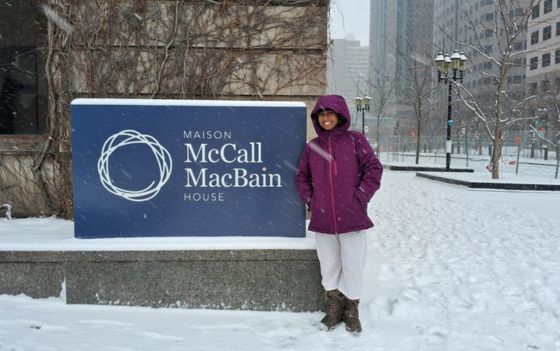
Kiran's story is pure inspiration! Growing up in Kolkata she juggled family and studies. “Having to raise three children wasn’t easy for my parents, but World Vision India supported my education and helped me discover my passion for social issues.” World Vision India’s Snehadeep community project and Play for Peace programme, conducted workshops on life skills, street plays, and puppet shows which became platforms for her to find her voice.