How Nutrition, Education, and Protection Transform Children’s Lives: Donate for Child Education India
Every child deserves the opportunity to grow up healthy, learn with confidence, and live free from harm. Yet for millions of children across rural India, these basic rights remain out of reach.
The challenges they face are interconnected. Hunger affects learning. Interrupted education increases vulnerability. A lack of protection exposes children to exploitation and abuse. Addressing one issue in isolation is rarely enough.
That is why three pillars remain essential for every child's wellbeing: nourishment, education, and protection.
Building a Strong Foundation for Child Health
Good nutrition forms the foundation of healthy childhood development. It influences physical growth, cognitive development, immunity, concentration, and long-term wellbeing.
However, many children from vulnerable households continue to experience food insecurity. During periods of disruption and crisis, families can struggle to provide children with enough nutritious food, while school-based nutrition programmes may also become unavailable.
The consequences can be particularly severe for girls, many of whom face increased risks of malnutrition and anaemia. Poor nutrition during childhood can affect educational performance, future productivity, and overall health outcomes for years to come.
For families living in poverty, improving access to nutritious food is therefore an important part of supporting children. Household nutrition gardens, awareness about balanced diets, and community-based support can help families improve food security and provide children with healthier meals.
A nourished child is more likely to have the energy and concentration needed to learn, play, and participate actively in school and community life.
Giving Every Child Access to Learning
Education remains one of the most powerful tools for breaking cycles of poverty.
Yet educational inequality continues to widen wherever access to learning resources is limited. The digital divide has left many children unable to participate fully in learning opportunities, particularly in rural communities where internet connectivity and digital devices remain scarce.
When children fall behind academically, many struggle to return to school. Economic pressures can force families to prioritise immediate income over education. Girls are often disproportionately affected, facing heightened risks of early marriage or domestic responsibilities that interrupt their studies permanently.
This is why supporting child education initiatives is so important. Helping children remain in school can give them the knowledge, confidence, and skills they need to build better futures.
Families and individuals who want to donate for child education India can contribute towards programmes that help children access learning opportunities and overcome barriers that may otherwise prevent them from completing their education.
Education support is not limited to providing school materials. Children may also need learning support, mentoring, safe spaces, digital access, and encouragement to remain engaged with their studies.
Providing education support for children can therefore help address both immediate learning gaps and the wider challenges that prevent children from progressing academically.
Creating Safe Communities for Children
Children need more than food and education. They also need safe environments where they can grow without fear.
Periods of economic hardship can increase the risks of child labour, trafficking, neglect, abuse, and exploitation. Children who are orphaned, abandoned, or living in particularly vulnerable circumstances face even greater dangers.
Without strong community-based protection mechanisms, many children have nowhere to turn when they encounter harm or abuse.
Child protection begins with awareness. Parents, teachers, community leaders, and local organisations all have an important role to play in recognising risks and responding appropriately. Communities that understand child rights and protection can create safer environments where children are encouraged to speak up and seek help.
This is also why educational support for children should go hand in hand with protection. A child who is connected to school and trusted adults may have greater access to safe spaces and support systems.
Protecting children means creating communities where their rights are respected and where adults work together to prevent abuse, exploitation, child labour, and other forms of harm.
A Holistic Response
World Vision India's community-centred programmes address these three pillars together because each reinforces the others.
Nutrition gardens and food baskets help families improve food security and dietary diversity at the household level. By growing vegetables and other nutritious foods locally, families become less dependent on external food sources and more resilient during difficult periods.
The Remedial Education Centre model brings trained local youth into communities to act as learning facilitators, helping children stay engaged with their education and catch up on lost learning.
Meanwhile, Child Protection Units equip community members with the knowledge and skills needed to identify, prevent, and respond to issues such as trafficking, child abuse, neglect, and early marriage.
Together, these interventions recognise that children cannot thrive when one part of their wellbeing is ignored.
A child struggling with hunger may find it difficult to concentrate in class. A child who has dropped out of school may become more vulnerable to exploitation. A child living in an unsafe environment may struggle to learn and develop with confidence.
A holistic approach brings these needs together.
The Impact of Community Support
The impact can be transformative.
In a village in Bihar, a family of five relied on a nutrition garden established through World Vision India's support to maintain adequate food supplies throughout an entire lean season. As a result, the family's youngest daughter remained healthy, continued attending school, and avoided the setbacks often associated with food insecurity.
Her story illustrates an important truth.
A nourished child is better equipped to learn. A child who remains in school is less vulnerable to exploitation. A protected child has the opportunity to pursue their dreams and fulfil their potential.
These outcomes are possible when families and communities receive the right support at the right time.
Individuals who want to donate to children in need can play a role in supporting initiatives that address children's education, nutrition, protection, and overall wellbeing. Such support can help create opportunities for children who may otherwise face significant barriers to a healthy and secure childhood.
Building a Better Future for Every Child
Children should not have to choose between food, education, and safety. Every child deserves all three.
Nourishment gives children the foundation they need to grow. Education gives them knowledge and opportunities for the future. Protection gives them the safety and confidence to develop their potential.
These pillars are not separate goals. Together, they form the foundation upon which a brighter future can be built.
When communities work together to improve nutrition, keep children in school, and strengthen child protection systems, the benefits can extend across generations.
Supporting children today means investing in healthier families, stronger communities, and a more hopeful tomorrow. Every child deserves the chance to grow, learn, stay safe, and dream about what their future can become.
Kiran's Inspiring Journey to Canada
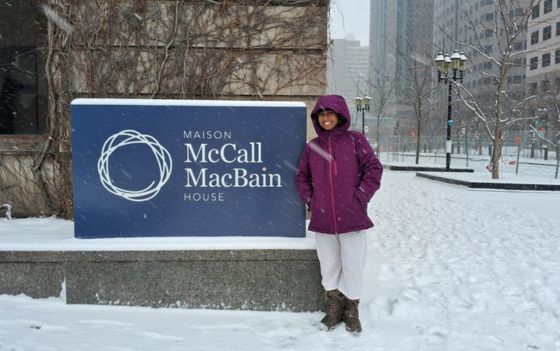
Kiran's story is pure inspiration! Growing up in Kolkata she juggled family and studies. “Having to raise three children wasn’t easy for my parents, but World Vision India supported my education and helped me discover my passion for social issues.” World Vision India’s Snehadeep community project and Play for Peace programme, conducted workshops on life skills, street plays, and puppet shows which became platforms for her to find her voice.