A Path to Hope: Martha's Journey from Crisis to Stability
At 32, Martha found herself standing at a crossroads she had never imagined.
Her husband, Anand Babu, had been the sole breadwinner of the family. Then, one day, he was injured at work. The injury meant he could no longer earn a living, and almost overnight, the family's only source of income disappeared.
In their small village in Guntur, Andhra Pradesh, uncertainty became part of everyday life. Household expenses to manage, and growing worries about the future. Some days, even arranging the next meal felt difficult.
Martha did not dream of a perfect life. She wanted something far simpler – a way to keep her family together and move through the crisis with dignity.
When Every Day Felt Uncertain
For families living on limited incomes, a sudden loss of earnings can quickly affect every aspect of daily life.
As Anand recovered from his injury, he was unable to work. The family's savings disappeared quickly. Debts began to pile up, and Martha found herself carrying the weight of decisions no parent wants to make.
Could they afford school expenses? Would there be enough food for everyone? How long could they continue like this?
The emotional burden was just as heavy. Watching their children grow up amid uncertainty was painful for both parents. The fear of not being able to provide for their family was constant.
Like many women in rural communities, Martha was willing to work hard. What she lacked was an opportunity and a sustainable way to earn an income.
A Small Beginning
It was during this difficult season that World Vision India's Arpana team visited Martha's village.
Through a livelihood initiative designed to strengthen vulnerable families, the team provided Martha with a Murrah buffalo and its calf.
To some, it may have seemed like a simple gift: just one animal.
For Martha, it represented possibility.
The buffalo began producing around 5.5 litres of milk every day. Martha sold five litres and kept the remaining milk for her family.
The earnings were modest. Yet they brought something that had been missing from their lives for many months, consistency.
Every morning, she had milk to sell. Every evening, she knew there would be some income for the next day's needs.
Little by little, the family began to breathe easier.
Finding Stability Again
The daily income from milk sales allowed Martha to do something she had not been able to do for a long time.
She joined a local milk cooperative, which provided a reliable market for her milk and helped ensure a steady source of earnings. The routine brought structure and confidence back into her life.
The small but regular income made a meaningful difference.
Outstanding debts slowly began to reduce. Household expenses became more manageable. The family no longer had to live with the same level of anxiety about their immediate needs.
Perhaps most importantly, their children remained in school.
Education often becomes one of the first casualties when families face financial hardship. School expenses can feel impossible when daily survival is uncertain. Yet for Martha and Anand, keeping their children in school mattered deeply.
The buffalo helped make that possible.
There were also improvements within the home itself. Keeping some of the milk for the family meant the children had access to better nutrition. Their meals became a little more nourishing, and daily life became a little more secure.
The changes were not dramatic or instant. They came through everyday routines, milking the buffalo each morning, selling milk, saving small amounts of money and gradually regaining control over family life.
As Anand's health improved, he slowly returned to work.
Together, the family began rebuilding.
"This has helped my family live with dignity," Martha says.
Her words capture what mattered most.
The intervention did not make the family wealthy. It did not remove every challenge they faced. Instead, it restored something deeply important – the ability to provide for their children and move forward with hope.
Creating Community Impact
Martha's story is one among many.
Across 16 villages in Guntur district, 413 families participated in the dairy livelihood project. Each family had its own struggles and circumstances, but many shared similar concerns, unstable incomes, and worries about their children's future and limited opportunities to recover from financial setbacks.
The results revealed a wider community impact.
Nearly every participating family reported improvements in their children's nutrition and education. More children remained enrolled in school. Families experienced greater food security and a sense of stability within their homes.
These outcomes demonstrate how child development is closely connected to family livelihoods. When parents have reliable income opportunities, they are often better able to invest in their children's wellbeing, education and future.
Sustainable change does not always arrive through large interventions. Sometimes it begins with practical support that strengthens a family's ability to care for itself.
A buffalo became more than a source of milk. It became a source of confidence, nutrition, education and renewed hope.
A Future Built on Dignity
Today, Martha's family is moving forward one day at a time.
There are still responsibilities and challenges ahead, as there are for any family. But there is also greater stability than before. There is food on the table, children continuing their education and the confidence that tomorrow can be faced with a little less fear.
Their story is a reminder that meaningful change often starts with something simple, an opportunity, a helping hand and the chance to rebuild.
For Martha, that opportunity arrived in the form of one buffalo and its calf.
For her family, it became the beginning of a more secure future grounded not in abundance, but in dignity, resilience and hope.
Kiran's Inspiring Journey to Canada
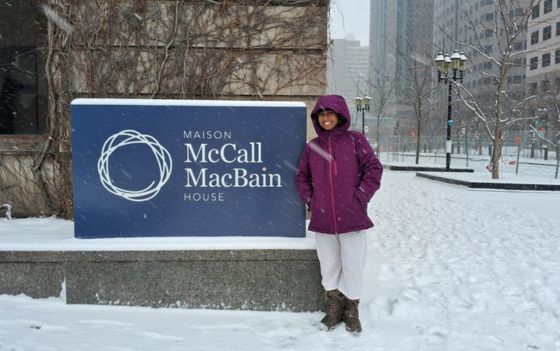
Kiran's story is pure inspiration! Growing up in Kolkata she juggled family and studies. “Having to raise three children wasn’t easy for my parents, but World Vision India supported my education and helped me discover my passion for social issues.” World Vision India’s Snehadeep community project and Play for Peace programme, conducted workshops on life skills, street plays, and puppet shows which became platforms for her to find her voice.