POCSO Act Explained: How Communities Can Create Safer Spaces for Children
Imagine a police station log that records five new child-sexual-abuse cases every hour in India. Those numbers are real, yet until 2012 the country had no single law built to confront this crisis. The Protection of Children from Sexual Offences (POCSO) Act changed that by criminalising everything from inappropriate touching and harassment to rape and child pornography. It protects girls and boys alike and makes it mandatory for any adult who knows of abuse to report it or face punishment for staying silent.
In simple words, POCSO says no one may treat a child in a sexual way, and even an unwanted gesture with sexual intent is a crime. When a man once claimed he should walk free because he groped a child over her clothes, the Supreme Court said intent, not skin contact, decides guilt. Knowing these basics equips every adult to act the moment a child needs help.
Breaking Common Myths About Child Sexual Abuse
Despite greater awareness today, many myths about child sexual abuse (CSA) persist. These myths often stop people from recognizing or reporting abuse. Let’s debunk some of the most common ones:
- Myth: “Child sexual abuse is rare, and it doesn’t happen in ‘good’ families.”
- Fact: Child abuse is sadly common and cuts across all communities and classes. A large government study in India found that 53% of children had faced some form of sexual abuse, and boys were as vulnerable as girls. Abuse can happen in any family, rich or poor. It often occurs in places familiar to the child, Many children are abused in their own homes or schools by people they trust, not by strangers in dark alleys.
- Myth: “Only girls are victims of sexual abuse.”
- Fact: Boys can be victims too. In the Indian study mentioned above, slightly more boys reported abuse than girls. All childrens need protection. Unfortunately, because of social pressure to appear “strong,” boys often hide their trauma. We must remember abuse is about the perpetrator’s behavior, not the child’s gender.
- Myth: “If we report abuse, it will ruin the family’s reputation and harm the child more. It’s better to keep quiet.”
- Fact: Silence protects the abuser, not the child. Reporting abuse is difficult, but not reporting is more dangerous. If nothing is done, the abuser can continue to hurt the same child or target other children. POCSO law also provides for support to the child such as counseling and legal aid to help them through the process. A family might worry about stigma, but the focus should be on the child’s safety and healing. By coming forward, we also send a message that the community will not tolerate such crimes.
By breaking these myths, we create an environment where children’s voices are heard and believed. Knowledge and openness are powerful weapons against CSA. When adults understand the facts that abuse can happen anywhere, to any child, and that every child has the right to be safe, They are more likely to notice warning signs and take action.
Challenges Children Face in India (2025)
India has made progress in child protection, but children still face many challenges in 2025. Laws like POCSO are only as effective as their implementation, and on that front there are gaps that need attention:
- Lack of Awareness: There is still a considerable lack of awareness among parents, teachers, and children about CSA and the POCSO Act. Many parents, teachers, and children still do not know what counts as abuse or how to report it. Without clear information, even less obvious acts such as showing pornography to a child or touching over clothing can go unchallenged. Regular age-appropriate safety sessions in schools and community centers help children spot danger and guide adults to act.
- Unsafe Environments (Schools and Communities): Some schools lack basic safeguards like proper lighting, separate toilets, or secure boundaries, and low-income neighborhoods often miss background checks for staff. In 2022 India recorded about 1,62 000 child abuse cases, showing how violence grows where safety measures are weak. Improving infrastructure and vetting every adult who works with children can turn these spaces into real sanctuaries.
- Fear of Reporting and Stigma: Victims and families often stay silent, worried about blame, disbelief, or retaliation, especially when the abuser is a relative or respected figure. This “keep it quiet” culture shields offenders and isolates children. Communities must stand with survivors, making it clear that protecting a child matters more than protecting reputations.
- Limited Child-Friendly Support Systems: Although POCSO promises child-friendly courts and processes, overloaded courts, limited trained personnel, and a shortage of counselors keep justice slow and support uneven, particularly in rural areas. Hotlines like 1098 and child protection units do not yet reach every village. Expanding fast-track courts, training frontline staff, and funding local counseling services can close these critical safety gaps.
Despite these challenges, there are positive efforts underway. Governments and NGOs are spreading awareness through school programs, and more people today know about child rights than a decade ago. Courts have started fast-tracking some POCSO cases, and convictions have risen, though they are still too low. (According to 2022 data, only about 30% of POCSO cases that go to trial end in conviction, due to factors like evidence delays and victims being pressured to withdraw statements.) The key takeaway is that laws alone aren’t enough, We need informed communities, trained officials, and supportive systems so that every child is actually safer in reality, not just on paper.
Unique Challenges Faced by Girls in Rural India
All children are vulnerable to abuse, but girls in rural areas often face extra challenges that make them more vulnerable and limit their opportunities. Some of these challenges include education barriers, safety concerns, and early life responsibilities:
- Education Barriers: Poverty and tradition often push sons ahead of daughters when money for schooling is tight. Nearly one in three rural girls leaves school before finishing elementary grades, usually because there are no separate toilets, the walk is unsafe, or relatives insist on early marriage. Once a girl drops out she loses not only lessons but the protection that school can offer.
- Safety Concerns: Long walks on isolated roads, poor street lighting, and scarce public transport expose girls to harassment. Families sometimes keep daughters at home or marry them early, thinking it will keep them safe. Without local watchdog groups or basic safety measures, girls lose their freedom to study, play, and speak up.
- Early Responsibilities and Gender Roles: Girls in rural homes spend hours every day fetching water, cooking, cleaning, and caring for siblings. A national survey shows young women average more than seven hours of unpaid chores daily, while young men do less than three. Heavy workloads leave girls tired, away from classmates, and less likely to report abuse, especially when culture tells them to stay quiet and obedient.
How Girls’ Education Leads to Safer, More Equal Communities
Educating girls is one of the most powerful ways to build safer and more equal communities. When a girl goes to school and gets a proper education, it doesn’t just transform her own life, it has a ripple effect that benefits her family, her community, and future generations. Here are some ways girls’ education makes a difference:
- Delayed Marriage and Reduced Abuse: Each extra year in school lowers a girl’s risk of child marriage and early pregnancy. Women who finish secondary education are more likely to know their rights, refuse harmful practices, and report abuse. Communities with higher female literacy see fewer cases of domestic violence and exploitation.
- Economic Upliftment and Confidence: Schooling opens doors to jobs beyond the home. When women earn an income, family poverty drops and all children are more likely to stay in school. Education also boosts confidence, so women speak up in village meetings, lead local projects, and challenge customs that limit girls.
- Community Health and Awareness: Educated mothers follow good nutrition, hygiene, and vaccination practices and teach children about safe and unsafe touch. They often organise safety workshops, advocate for street lighting, and spread awareness of laws like POCSO. Informed women build informed communities, making every child safer.
To summarize, when girls are educated, everyone wins. We get healthier families, stronger economies, and societies that value fairness and safety. Educated girls often become women who demand justice and equality whether it’s campaigning for a new school, or ensuring the local police take harassment complaints seriously. By supporting girls’ education today, we are investing in a future where both women and men work together as equals to protect children and uphold human dignity.
Steps Communities Can Take to Protect Children
Creating safer spaces for children is not only the job of the government or police, it’s something the whole community can work on together. Here are some clear, practical steps that communities, whether in urban neighborhoods or rural villages, can take to protect their children:
- Raise Awareness and Educate Everyone: Knowledge is power. Communities should organize awareness drives about child sexual abuse and the POCSO Act. Teach safe and unsafe touch, explain POCSO, and bust myths such as “boys are never victims.” Display the 1098 helpline in public areas. When families know the law and warning signs, they act sooner.
- Make Schools Safe and Supportive: Form a School Safety Committee of parents, teachers, and students. Check fences, lights, visitor rules, and separate girls’ toilets. Train staff on child-sensitive responses and POCSO basics. Add a trusted counselor and an anonymous complaint box so no child’s voice is missed.
- Encourage Open Communication at Home: Talk daily with children about friends, feelings, and safety. Assure them they will not be blamed for speaking up. Teach body boundaries and the right to refuse uncomfortable touch. Include children with disabilities in every lesson on consent and protection.
- Create Community Watchdogs and Safe Spaces: Set up a Child Protection Committee or partner with an NGO. Watch for kids who skip school or show distress. Arrange adult patrols on school routes and mark safe places like an Anganwadi or panchayat office where a child can run in an emergency.
- Support Girls and Reduce Their Burdens: To address the unique challenges of girls, communities can take very practical actions. Raise funds for bicycles, hostels, and scholarships so girls reach school safely. Lobby for street lights and toilets. Share chores at home so girls gain study time. Start mentorship circles that pair younger girls with college role models.
- Work with Authorities and Report Incidents Promptly: Invite police and child-welfare officers to local meetings so trust grows both ways. If you suspect abuse, call 1098 or the nearest station at once. Community volunteers can guide families through the legal and medical steps and press officials for swift action.
- Foster a Culture of Respect and Equality: Challenge victim-blaming comments and jokes that trivialise abuse. Create suggestion boxes or child councils to hear children’s safety ideas. Teach boys that real strength protects others. Highlight girls’ successes and boys who model fairness, building norms that keep every child valued and safe.
Conclusion: Building a Safer Tomorrow, Together
POCSO is essential, yet ending child sexual abuse depends on communities standing up for every child. Safety means a 10 year old can confide in her teacher about a threatening neighbour, and a teenage boy can ask for help without shame. India still has hurdles in 2025, but growing awareness and teamwork among donors, educators, advocates, and citizens can turn villages and cities into places where girls attend school fearlessly, boys practise respect, and predators are confronted. Success is measured by abuses prevented, not convictions counted. Let us share knowledge, challenge wrongdoing, support survivors, and build compassionate, vigilant, child-friendly communities so each child grows free from fear.
Kiran's Inspiring Journey to Canada
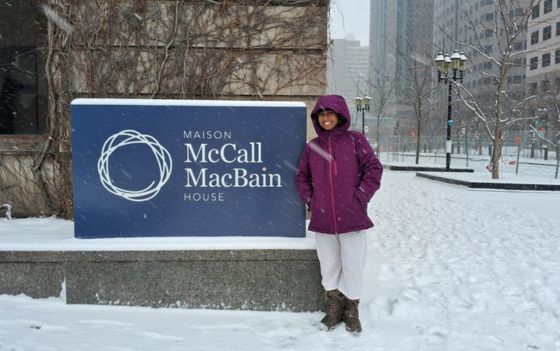
Kiran's story is pure inspiration! Growing up in Kolkata she juggled family and studies. “Having to raise three children wasn’t easy for my parents, but World Vision India supported my education and helped me discover my passion for social issues.” World Vision India’s Snehadeep community project and Play for Peace programme, conducted workshops on life skills, street plays, and puppet shows which became platforms for her to find her voice.