Protecting Vulnerable Children: 7 Ways Communities Can Create Safer Childhoods
Every child deserves to grow up in a safe, supportive, and caring environment. Families, schools, communities, NGOs, and local institutions can work together to protect vulnerable children and create safer childhoods. Creating safe environments also means ensuring that children have access to education, healthcare, emotional support, and trusted adults who can listen to their concerns. When communities understand the risks children may face, they can take practical steps to prevent harm and provide timely support.
1. Create Safe Homes and Schools
Safe spaces: Children need environments where they feel protected, respected, and heard.
Positive relationships: Caring adults can help children feel secure and supported.
Clear boundaries: Families and schools can teach children about safe and unsafe behaviour.
2. Strengthen Child Safety Awareness
Knowing the risks: Age-appropriate safety education can help children recognise potentially unsafe situations.
Speaking up: Children should know which trusted adults they can approach when they feel uncomfortable or unsafe.
Community responsibility: Child safety programs can help families and communities understand how to respond to concerns.
3. Help Prevent Child Abuse
Recognising warning signs: Adults should be aware of changes in a child's behaviour, emotions, or daily routine.
Creating trust: Children need to know that they can talk about their concerns without fear.
Taking concerns seriously: Communities can work together to stop child abuse through awareness, prevention, and timely support.
4. Protect Children From Trafficking
Awareness matters: Families and communities should understand common risks that can make children vulnerable to exploitation.
Safe identification: Schools and community groups can help identify children who may need additional protection.
Community vigilance: Working with appropriate authorities and child protection organisations can help prevent child trafficking.

5. Support Children’s Health and Well-Being
Healthy childhoods: Good health supports children's ability to learn, participate, and develop.
Early attention: Regular health support can help identify concerns before they become more serious.
Community support: Healthcare for children in India programmes can improve access to essential health services and information.
6. Keep Children Connected to Education
Safe learning: Schools can provide children with structured and supportive environments.
Reducing vulnerability: Regular education can help children stay connected to trusted adults and community support systems.
Building futures: Learning opportunities can strengthen children's knowledge, skills, and ability to make informed decisions.
7. Build Stronger Community Support
Shared responsibility: Child protection works best when families, schools, communities, NGOs, and authorities work together.
Listening to children: Children's experiences and concerns should be considered when developing community support systems.
Long-term protection: Strong community networks can help children and families access child protection services, education, healthcare, and livelihood support.
Creating Safer Childhoods Together
Protecting children requires more than responding to problems after they occur. Safe homes, supportive schools, health services, education, awareness, and strong community networks can help create environments where children can grow and develop safely.
Early action: Communities can identify risks and provide support before concerns become more serious.
Stronger systems: Cooperation between families, schools, NGOs, and local authorities can strengthen child protection.
Everyday support: Simple actions such as listening to children, promoting safe behaviour, and connecting families with appropriate services can make a meaningful difference.
When communities work together, they can identify risks earlier, strengthen protection systems, and give children the support they need to build safer and healthier futures.
Kiran's Inspiring Journey to Canada
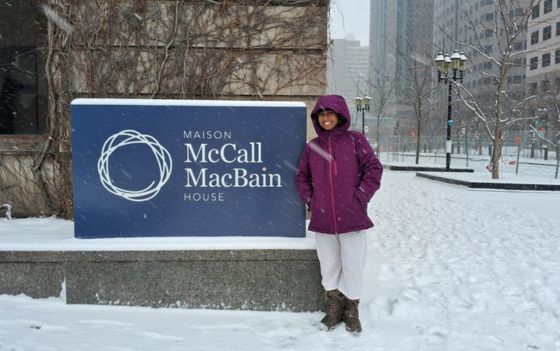
Kiran's story is pure inspiration! Growing up in Kolkata she juggled family and studies. “Having to raise three children wasn’t easy for my parents, but World Vision India supported my education and helped me discover my passion for social issues.” World Vision India’s Snehadeep community project and Play for Peace programme, conducted workshops on life skills, street plays, and puppet shows which became platforms for her to find her voice.