How Safe Toilets Helped Harpal Continue Her Education in Faridkot
At seventeen, Harpal dreams of becoming a judge. She also hopes to open a free college for girls, giving young women from disadvantaged backgrounds the opportunity to pursue education without financial barriers.
Today, she speaks about her future with determination. But a few years ago, even attending school regularly was difficult. The reason was something many people take for granted: a safe, functional toilet.
Harpal's story from Faridkot, Punjab, shows how basic sanitation can shape a girl's education, dignity, and future. It also highlights why improving school infrastructure is essential to education for poor children and building equal opportunities for every child.
When a Basic Necessity Becomes a Barrier to Education
Harpal studies at a government school in Faridkot. Four years ago, the school's toilets were broken, clogged, and unusable. For adolescent girls, this created difficulties that affected their everyday school experience.
During her menstrual cycle, Harpal often stayed home because she had no safe, private place to manage her hygiene needs. Even on other days, she and her classmates had to walk nearly one and a half kilometres to their homes during recess to use a toilet.
By the time they returned, lessons had already begun. Repeated interruptions meant losing valuable classroom time, while walking back and forth raised concerns about their safety.
"We would go home to use the toilet during recess, but when we returned, classes would have started," Harpal recalls.
She also remembers the fear that accompanied these journeys: "I had to fight the fear of walking back and forth, over and over again."
For many girls, inadequate sanitation is an invisible barrier to education. Missed lessons can affect academic progress, while discomfort and embarrassment can make school attendance increasingly difficult.
Access to safe toilets is therefore not simply an infrastructure issue. It is an important part of protecting children's dignity, health, and right to education.
How Better Sanitation Changed the School Experience
Recognising the challenges faced by girls in government schools, World Vision India launched the Rise Up! Daughters of India Campaign in 2017.
As part of the initiative, separate toilet blocks for girls were constructed in government schools across the area. The facilities included running water, handwashing stations, and clean disposal systems designed to meet adolescent girls' hygiene needs.
The change made a meaningful difference to the students and their families. According to Harpal's experience, attendance among adolescent girls doubled within days of the facilities becoming operational. Some girls who had stopped attending school returned and sought fresh admissions.
The improvements demonstrated how appropriate infrastructure can remove barriers that might otherwise keep children away from education.
Effective WASH programmes in India help address the connection between water, sanitation, hygiene, and children's wellbeing. In schools, these facilities can support girls by providing:
- Safety and privacy: Separate, functional toilets allow girls to manage their personal hygiene with dignity.
- Better menstrual hygiene: Running water, handwashing facilities, and appropriate disposal systems support healthier hygiene practices.
- Improved school participation: Girls can spend more time learning instead of leaving school premises to find a toilet.
These changes also help parents feel reassured about their children's safety and encourage girls to participate more regularly in classroom activities.
The Difference a Safe School Environment Can Make
The transformation was visible not only in attendance but also in how students experienced school. Girls felt safer, parents felt more comfortable sending their children to class, and teachers noticed greater participation.
The school principal observed this change firsthand:
"It is very simple. Since the time these toilets have been renovated, children feel good, they enjoy school. Especially girls, they need toilets and now they come regularly."
This experience highlights an important lesson for anyone working towards sustainable community development: lasting progress often begins by identifying and addressing the everyday challenges people face.
For girls from families with limited financial resources, missing school can have consequences beyond a few lost lessons. Repeated absences may affect academic performance, educational continuity, and future employment opportunities.
Investments in school sanitation can help reduce these barriers and support quality education for poor children, ensuring that a lack of basic facilities does not prevent them from reaching their potential.
Such efforts also contribute to gender equality by helping girls access education in an environment that recognises their specific needs.
Why Every Child Deserves Access to Safe Sanitation
Harpal's experience reflects a wider challenge faced by children in vulnerable communities. A school may have teachers, classrooms, and learning materials, but children also need safe facilities to attend and participate comfortably.
Schools and communities can work together to create more supportive learning environments through practical measures such as:
- Maintaining clean, functional toilets with reliable water access.
- Providing appropriate menstrual hygiene facilities and awareness.
- Involving students, teachers, parents, and local communities in maintaining school sanitation.
These measures are particularly important during adolescence, when privacy, safety, and personal hygiene can strongly influence a girl's school experience.
Organisations working as a child welfare NGO can support these efforts by bringing communities together, identifying infrastructure gaps, and promoting child-centred development programmes.
For families facing financial hardship, access to essential school facilities can make the difference between a child attending classes regularly and gradually falling behind. Addressing these needs is an important step towards protecting children's rights and creating opportunities for their future.
From a Basic Toilet to a Bigger Dream
Today, Harpal continues her education while living with her aunt in her village. Her parents work as agricultural labourers elsewhere, but she remains committed to her ambitions.
She wants to become a judge and eventually open a free college for girls. Her dreams extend beyond her own future; she hopes to help other young women access opportunities that might otherwise remain out of reach.
Her story reminds us that children do not lack dreams simply because they grow up in challenging circumstances. Sometimes, what they lack are the basic facilities and support needed to pursue those dreams.
A functioning toilet may seem like a small improvement. For Harpal, it helped make regular school attendance possible. For other girls, similar changes can protect their dignity, support their education, and give them more opportunities to shape their futures.
Every girl deserves a safe place to learn, the dignity to manage her personal needs, and the opportunity to pursue her dreams. Sometimes, changing a future begins with something as simple as opening a door.
Kiran's Inspiring Journey to Canada
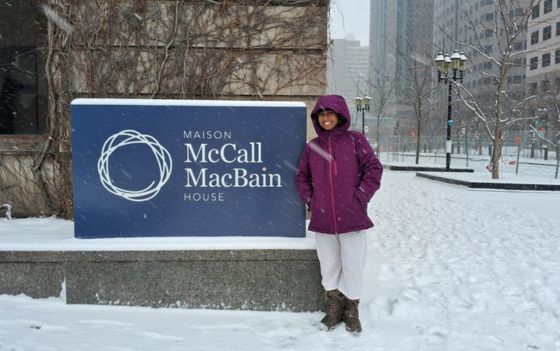
Kiran's story is pure inspiration! Growing up in Kolkata she juggled family and studies. “Having to raise three children wasn’t easy for my parents, but World Vision India supported my education and helped me discover my passion for social issues.” World Vision India’s Snehadeep community project and Play for Peace programme, conducted workshops on life skills, street plays, and puppet shows which became platforms for her to find her voice.