How Women Entrepreneurs Are Transforming Rural India
Women entrepreneurs in rural India are changing the future of their families and communities in powerful ways. Across villages and small towns, women are starting small businesses, building livelihoods, and creating new opportunities where few existed before.
What makes this change so important is that it goes beyond income. When women earn, families often become more stable, children benefit, and communities grow stronger. In places where poverty, unemployment, and limited opportunities have long held people back, women-led enterprises are becoming an important force for rural development.
This kind of progress also reflects the broader development approach seen on World Vision India’s website, where livelihoods, women’s empowerment, and community-led change are closely connected to the long-term well-being of children and families.
Why women entrepreneurs matter in rural India
In many rural communities, women have traditionally had fewer economic opportunities than men. Social expectations, restricted mobility, lack of education, and limited access to money have often made it difficult for women to start or grow a business.
But this is changing. Today, many rural women are stepping into entrepreneurship through farming, tailoring, food processing, handicrafts, livestock care, and local retail. Some are also exploring digital services, organic farming, and other emerging livelihood options.
These businesses may begin on a very small scale, often from home, but they can grow steadily with the right support. As women gain confidence, skills, and access to markets, they begin contributing not only to household income but also to the wider local economy.
How women’s entrepreneurship supports families
One of the biggest benefits of women’s entrepreneurship in rural India is its direct impact on family well-being. When women have an income, they often use it for essentials such as food, children’s education, healthcare, and household needs.
This matters even more in rural households where earnings may depend on seasonal work or uncertain agricultural income. A woman-led business can provide much-needed financial stability during difficult times.
This link between livelihoods and child well-being is also visible in World Vision India’s stories, where livelihood support helps families sustain children’s education, health, and daily needs. One example on the site describes how a rural livelihood intervention helped a family regain stability, educate their children, and plan for the future.
The role of skills and training
Many rural women already have strong practical skills. They know how to stitch, farm, cook, weave, raise livestock, or make products that have local demand. What they may lack is formal business training, financial literacy, or market access.
That is why skill development is so important. Training in budgeting, savings, pricing, product development, and small business planning can help women turn traditional skills into reliable sources of income.
Digital literacy is also becoming more valuable. Women who can use online tools, digital payments, and mobile-based services are often in a better position to grow their businesses and connect with more customers.
World Vision India’s public materials also highlight livelihoods and practical skill-building as part of its long-term development approach for vulnerable communities.
Why access to finance is essential
Lack of finance remains one of the biggest barriers for rural women entrepreneurs. Even when women have the motivation and skills to start a business, they often struggle to access credit, savings systems, or formal financial support.
This is where community-based support models can make a real difference. Self-help groups and local savings groups give women a way to build financial discipline, access small loans, and support each other’s growth.
For many women, a small loan can be the first step towards a sustainable enterprise. Over time, that small beginning can lead to higher income, greater confidence, and better decision-making within the family.
How women-led businesses strengthen rural communities
Women entrepreneurs do more than improve their own households. They also strengthen local economies.
Many rural women run businesses that rely on local resources, local skills, and local demand. A woman selling food products may buy ingredients locally. A tailoring unit may serve nearby families. A handicraft business may preserve traditional skills while generating income. A livestock-based enterprise may support both household income and the local supply chain.
As these businesses grow, they create employment, circulate money within the village economy, and encourage more resilient forms of local development. This is one reason women's entrepreneurship is increasingly seen as an important part of rural progress.
The challenges rural women entrepreneurs still face
Even with growing momentum, rural women still face major barriers. Limited mobility, lack of capital, low digital access, social restrictions, and unequal decision-making power can all make entrepreneurship harder.
In many communities, women still have to balance unpaid care work, household responsibilities, and business activities at the same time. They may also struggle to access markets or gain recognition for their contribution.
That is why women’s entrepreneurship cannot be supported through finance alone. It also requires community awareness, family support, leadership development, and an environment where women are encouraged to participate fully in economic life.
World Vision India’s site repeatedly positions women’s empowerment and community participation as part of broader social transformation, not as isolated interventions.
Women entrepreneurs as leaders and changemakers
As women build businesses, many also become role models and leaders in their communities. They begin to influence family decisions, participate more actively in local groups, and inspire other women and girls to think differently about their own futures.
This ripple effect is powerful. When one woman succeeds, others begin to believe that they can do the same. Young girls who see women leading enterprises grow up with a wider sense of what is possible.
This kind of change is closely aligned with community-led development, where progress becomes more sustainable because people themselves take ownership of it. That is also a visible part of World Vision India’s stated approach to long-term change.
Why supporting women entrepreneurs matters for the future of rural India
Supporting women entrepreneurs in rural India is not only about helping women earn. It is about building stronger families, more resilient communities, and a more inclusive economy.
When women have access to training, livelihood support, and opportunities, the benefits often reach children first. Families become more secure. Communities become more active. Economic development becomes more balanced and sustainable.
This fits well with World Vision India’s child-focused development model, which supports not only children but also their families and communities through education, health, protection, and economic development.
Conclusion
Women entrepreneurs are transforming rural India in ways that are both practical and deeply inspiring. They are creating income, supporting their families, strengthening local economies, and challenging long-standing barriers that once limited their opportunities.
With the right support, rural women can do far more than run small businesses. They can become leaders, role models, and drivers of lasting change in their communities.
When women rise, families grow stronger. When families grow stronger, children have a better chance to thrive. And when that happens across villages and small towns, the future of rural India begins to change for the better.
Kiran's Inspiring Journey to Canada
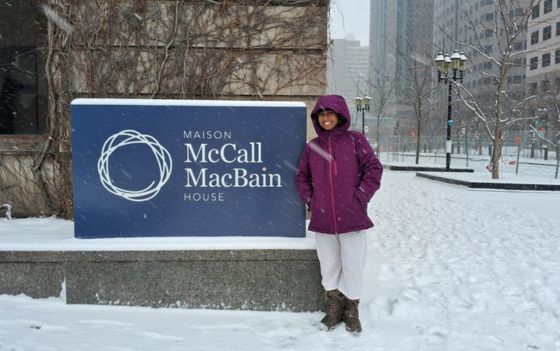
Kiran's story is pure inspiration! Growing up in Kolkata she juggled family and studies. “Having to raise three children wasn’t easy for my parents, but World Vision India supported my education and helped me discover my passion for social issues.” World Vision India’s Snehadeep community project and Play for Peace programme, conducted workshops on life skills, street plays, and puppet shows which became platforms for her to find her voice.