In Times of Crisis: How World Vision India Provides Lifesaving Support to Children
Introduction
When disaster strikes, childhood is often the first casualty. A flood can wash away a child’s home in minutes. A cyclone can destroy their school overnight. A pandemic can close classrooms and cut families off from food and healthcare. In these fragile, frightening moments, children face hunger, trauma, exploitation, and a sudden loss of safety and routine.
World Vision India steps into these moments with urgency, compassion, and expertise. With a presence in some of the most vulnerable regions of the country, the organisation provides lifesaving relief within hours and stays for months, sometimes years, to help children and families rebuild. Their work goes far beyond distributing aid; it restores hope, dignity, stability, and the sense of normalcy children desperately need to recover.
Why Children Are the Most At Risk During Emergencies
Crises affect everyone, but they have the most profound impact on children.
- Their bodies are more vulnerable to malnutrition, dehydration, and illness.
- Their minds absorb trauma faster, making fear and anxiety long-lasting.
- Any disruption to routine, including school, meals, and caregivers, hits them harder.
- They are at higher risk of abuse, trafficking, and exploitation in chaotic environments.
Without immediate protection, a disaster can shape the course of a child’s future. That is why World Vision India’s approach is child-centered, ensuring that relief, care, and psychological support place children’s needs first.
Strengthening Communities Before Disaster Strikes
Emergencies cannot always be avoided, but their impact can be reduced dramatically. World Vision India works year-round to prepare communities for natural disasters.
Key preparedness interventions include:
- Training village volunteers as first responders
- Conducting mock drills in schools and community halls
- Teaching families to create emergency plans
- Supporting youth groups in early warning and safe evacuation
- Building community awareness around flood zones, cyclone shelters, and safe water practices
- Pre-positioning supplies such as tarpaulins, hygiene kits, and water purification tablets
Prepared communities act quickly, protect children better, and recover faster. Many families credit these preparedness efforts for helping them survive disasters with fewer losses.
Immediate Lifesaving Support When Every Minute Matters
Once a crisis hits, World Vision India activates its emergency teams within 24 to 72 hours. Local staff, community volunteers, and global rapid response experts work together to deliver assistance before hunger, disease, or exposure puts children in danger.
Immediate relief includes:
- Food packages and cooked meals
- Clean drinking water
- Temporary shelter materials
- Hygiene kits (soap, sanitary pads, toothbrushes, detergent)
- Blankets, warm clothing, and sleeping mats
- Emergency health kits
- Household essentials like buckets and utensils
During the COVID-19 pandemic, World Vision India supported 1.68 million children with hygiene supplies, dry rations, learning kits, and medical support, demonstrating extraordinary capacity to respond even when the entire nation was under lockdown.
For families who have lost everything overnight, these supplies become symbols of hope.
Protecting Children’s Right to Survive
Health systems often collapse during crises. Clinics run out of medicine, doctors are overwhelmed, and families cannot access care.
World Vision India ensures that children do not fall through the cracks by providing:
Mobile medical camps
Doctors and nurses travel to affected villages to offer free checkups, treat common illnesses, and refer serious cases.
Nutrition support
Children under five, pregnant women, and lactating mothers receive nutrient-dense food, supplements, and growth monitoring to prevent stunting and malnutrition.
Strengthening health centers
The organisation supplies oxygen concentrators, PPE kits, hospital beds, basic equipment, and training for frontline workers.
Vaccination and awareness
Campaigns help maintain immunization schedules, even in disrupted environments.
A healthy child recovers faster physically and emotionally.
Stopping Disease Outbreaks Before They Begin
Unsafe water is one of the biggest threats to children after disasters. Floods contaminate wells, stagnant water breeds disease, and shelters become overcrowded.
World Vision India’s WASH interventions protect children from deadly outbreaks:
- Installing temporary clean water stations
- Repairing broken pipelines and hand pumps
- Distributing water filters and chlorine tablets
- Building emergency toilets
- Teaching handwashing, safe disposal, and hygiene practices
- Providing dignity kits for adolescent girls
These efforts reduce diarrheal diseases, cholera, skin infections, and other crisis-related illnesses, ensuring families remain healthy throughout recovery.
Healing Hearts After Trauma
A flood or fire destroys more than homes; it destroys a child’s sense of safety. The fear, panic, and loss stay with them long after the waters recede.
World Vision India focuses intensely on protecting and healing children.
Child-Friendly Spaces (CFS)
These are safe zones where children can:
- Play
- Learn
- Draw, paint, sing
- Interact with caring volunteers
- Forget fear, even temporarily
- Begin emotional healing
Psychosocial Support
Trained counselors use:
- Play therapy
- Group sharing
- Trauma-informed care techniques
- Confidence-building activities
Strengthening Protection Networks
World Vision India works with:
- Child protection committees
- Parents
- Teachers
- Village leaders
- Social workers
to identify risks, prevent abuse, and ensure children are safe during displacement.
Long-Term Recovery: Rebuilding Lives With Dignity
Once immediate danger passes, the real work begins, helping families rebuild their lives.
World Vision India supports communities to:
- Restore damaged homes
- Rebuild schools and Anganwadi centers
- Support farmers with seeds, livestock, and tools
- Help caregivers restart small businesses
- Train youth in vocational skills to regain income
- Promote climate-resilient farming
- Strengthen community disaster committees
- Improve infrastructure like drainage, water systems, and sanitation
Recovery is not simply about rebuilding structures; it’s about rebuilding confidence, stability, and hope.
Real Stories of Hope After Devastation
A Father’s Gratitude
When the floods hit Kerala, one father recalls, “We escaped with only the clothes we wore.” World Vision India provided his family with food, hygiene kits, shelter materials, and counseling for his children. “My kids smile again,” he says. “That is the biggest relief.”
Rebuilding Dreams
After a fire destroyed a settlement in Delhi, families received tents, clothing, school kits, and emotional support. Children joined Child-Friendly Spaces where they painted pictures of “new homes” and “new beginnings.”
These stories show the heart of World Vision’s mission: being present when families need it most.
FAQ
How fast does World Vision India respond to emergencies?
Typically, within 24 to 72 hours, using local teams and pre-positioned supplies.
What types of aid are provided?
Food, water, hygiene kits, shelter materials, medical support, and psychosocial care.
How are children protected during crises?
Through safe spaces, counseling, community protection committees, and trauma-informed care.
Does the organisation support long-term recovery?
Yes, by rebuilding homes, schools, livelihoods, and community resilience systems.
How can I help?
Donate to emergency relief funds or sponsor a child through World Vision India.
Conclusion
Disasters may be unpredictable, but compassion and preparedness can save lives. World Vision India’s child-focused emergency response ensures that children are nourished, protected, and emotionally supported during the darkest days of crisis. Through rapid relief and long-term recovery, the organisation helps families rebuild and children reclaim the joy of childhood.
Kiran's Inspiring Journey to Canada
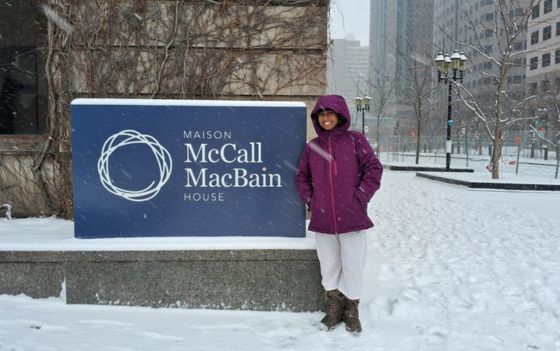
Kiran's story is pure inspiration! Growing up in Kolkata she juggled family and studies. “Having to raise three children wasn’t easy for my parents, but World Vision India supported my education and helped me discover my passion for social issues.” World Vision India’s Snehadeep community project and Play for Peace programme, conducted workshops on life skills, street plays, and puppet shows which became platforms for her to find her voice.