Empowering Youth for Tomorrow: Leadership Programs That Inspire Change
Across India, young people dream of safer streets, better schools, and dignified jobs. When communities invite them to lead, ideas turn into action. World Vision India helps youth build the confidence and skills to plan projects, work with local leaders, and improve daily life for everyone.
Youth leadership programs turn good intentions into practical steps. They teach teamwork, kindness, and courage so that simple ideas like repainting a crossing, starting a reading circle, or setting up hand-wash corners become real projects with visible results. This is the story of how young people can build a better tomorrow, step by step.
What Youth Leadership Means and Why It Matters
Youth leadership is not about titles; it’s about responsibility. Through guided clubs and projects, adolescents learn to communicate clearly, plan together, solve problems, and care for others, skills that strengthen families and neighborhoods. These skills also build self-respect: when young people see their efforts make a difference, they start to believe, “I can do this, and I can do more.”
Leadership matters because it creates a ripple effect. A youth who learns to speak respectfully in a village meeting can also tutor a younger child, organize a cleanup, or help set priorities at school. One leader becomes many, and the community grows stronger.
How World Vision India Nurtures Young Leaders
1) Learning Circles & Clubs (Schools and Communities)
Facilitators run sessions on communication, teamwork, conflict resolution, and civic basics. Youth form clubs that organize cleanup drives, safe-route campaigns, reading circles, and peer support. Meetings are simple and regular, often weekly, so that learning feels natural and progress becomes a habit.
2) Project-Based Action
Each club picks a real issue: waste, water, school hygiene, or street lighting maps stakeholders, pilots a solution, and reports progress. This “learn by doing” approach turns skills into practice. A 90-day window keeps goals realistic: Month 1 to understand the problem, Month 2 to test a small solution, Month 3 to scale and hand over maintenance.
3) Life & Livelihood Skills
Older youth build practical abilities that connect leadership to opportunity: digital literacy, financial basics, résumé and interview preparation, plus links to internships or apprenticeships. These skills show that community service and employability can grow together.
4) Safe Water & Hygiene as a Leadership Platform
Youth promote handwashing, safe water use, and toilet maintenance in schools and villages. Healthy bodies learn better, and good hygiene keeps children in class. WASH activities are highly visible and achievable, like setting up a hand-wash station or creating a cleaning rota, so they’re perfect for building early wins.
5) Partnerships that Multiply Impact
Programs collaborate with ICDS centers, schools, local governments, NSS/NCC units, and CSR partners, leveraging spaces, materials, and technical support. When adults open doors, youth projects go further and last longer.
What Changes in One Year
- Higher participation and attendance: Students feel involved and show up.
- Cleaner public spaces and better upkeep: Simple routines keep facilities in good shape.
- Confident youth voices: Young people speak up respectfully and follow through.
- Stronger peer networks: Clubs look out for one another’s safety and well-being.
These outcomes mirror an integrated way of working across Education, Health & Nutrition, WASH, Livelihoods, and Child Protection. Step by step, the community begins to expect and to support youth-led solutions.
Why This Approach Works
- Empowerment, not charity: Young people co-design solutions, so learning sticks.
- Safe spaces and mentors: Clubs provide consistent practice and encouragement.
- Real-world practice: Budgets, timelines, and stakeholder meetings turn skills into habits.
- Partnerships for scale: When schools, ICDS, and local leaders stand with youth, projects sustain themselves.
This approach respects young people’s energy and time. It asks for steady effort, not perfection. It rewards small wins, then builds on them.
The Barriers We Still See and How We Address Them
- Time pressures: Align schedules with school calendars and exams.
- Resource gaps: Use low-cost toolkits; share venues through schools/ICDS.
- Gender norms: Create safe spaces and leadership roles for girls.
- Digital divide: Offer offline guides and device-sharing options via partners.
By naming barriers openly and designing around them, youth clubs stay inclusive and practical.
A New Beginning
From debate clubs to safe road campaigns, youth-led projects are reshaping communities. A repainted crossing means younger children can walk to class safely. A reading circle helps a shy student discover confidence. A hand-washing corner keeps an entire classroom healthier. These are not one-time events; they’re signs of a culture where taking responsibility is normal and where tomorrow’s leaders practice courage, kindness, and collaboration today.
FAQs
- What is this program about?
- Guided youth clubs learn communication, planning, teamwork, and problem solving then apply these skills in real community projects. The goal is simple: learn, plan, act, and share results.
- Who benefits?
- Students and out-of-school youth benefit directly, but so do parents, teachers, and the wider community. Youth-led action improves daily life for everyone and builds a habit of responsibility.
- What changes have you seen?
- Cleaner public spaces, safer routes to school, better hygiene practices, and youth who engage constructively with local leaders. These small, steady improvements add up to a healthier, more hopeful community.
- How can I join or support?
- You can sponsor a club starter kit, donate materials, volunteer as a mentor, or explore corporate partnerships to help schools and ICDS centers co-create youth projects.
Kiran's Inspiring Journey to Canada
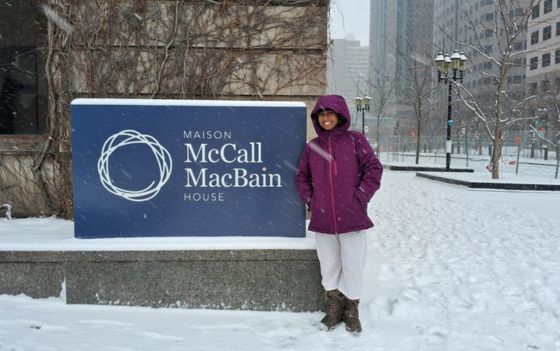
Kiran's story is pure inspiration! Growing up in Kolkata she juggled family and studies. “Having to raise three children wasn’t easy for my parents, but World Vision India supported my education and helped me discover my passion for social issues.” World Vision India’s Snehadeep community project and Play for Peace programme, conducted workshops on life skills, street plays, and puppet shows which became platforms for her to find her voice.