The Ripple Effect: How Sponsorship Benefits Entire Communities, Not Just One Child
When you choose to sponsor a child, it may feel like you’re changing just one life. But the impact reaches much further. Child sponsorship creates a powerful ripple effect that transforms entire communities, touching families, neighbours, and even future generations. It’s not just an investment in one child, it’s an investment in collective progress, dignity, and lasting change.
Beyond Individual Support: A Community-Centred Approach
At World Vision India, child sponsorship works differently than many people imagine. While each sponsor is linked to a specific child, the support doesn’t stop with that child or their family. Your monthly contribution flows into broader community development programmes that address the root causes of poverty and vulnerability.
Think of it like dropping a stone into still water. The first splash touches one point, but the ripples spread outward. When a sponsored child gains access to quality education, their classmates benefit from improved school infrastructure. When they receive healthcare, nearby children access the same facilities. When their family learns new livelihood skills, other families observe, learn, and adapt these practices too.
How the Ripple Effect Works
1. Education Transforms Entire Classrooms
When sponsorship funds support a child’s education, the benefits extend across the entire school. Remedial education centres created through sponsorship programmes don’t just serve one student; they provide safe learning spaces where many children can strengthen their skills together. Teachers receive training that improves classroom teaching for all. Libraries, learning materials, and better infrastructure benefit every child who walks through the school gates.
Over time, educated children become role models. They encourage younger siblings and neighbours to stay in school. Parents who once doubted the value of education begin to prioritize it, helping to break generational cycles of illiteracy and early school dropout.
2. Health Improvements Protect Whole Villages
Health and nutrition programmes supported by sponsorship are designed to serve entire communities. When Anganwadi Centres receive training and resources, health workers support all children under two in their area, not just sponsored children. Clean water access, sanitation facilities, and hygiene education reduce illness for entire neighbourhoods.
The ripple effect is especially clear in nutrition initiatives. When malnourished children receive supplements and care, their mothers and caregivers also learn about balanced diets, breastfeeding, and safe cooking practices. This knowledge is shared with relatives, friends, and neighbours, leading to better nutrition habits for many children and a gradual decline in malnutrition rates across the community.
3. Protection Creates Safer Spaces for Every Child
Child protection work shows one of the strongest ripple effects. When children are trained on personal safety, they pass that awareness on to their friends. Children’s Clubs help groups of children build confidence, learn about their rights, and support each other when they face unsafe situations.
Child Protection Units formed through sponsorship programmes monitor risks, report concerns, and collaborate with parents, local leaders, and authorities. These systems are set up to protect all children in the community, not only those who are protected from abuse, child labour, and early marriage.
4. Economic Empowerment Lifts Multiple Families
When sponsorship programs include livelihood support, the benefits quickly spread through the community. A mother who receives tailoring training may start a small business and train other women. A father who learns improved farming methods often teaches neighbouring farmers. As incomes rise, families can afford better food, healthcare, and education for their children.
These changes strengthen the local economy. Small shops, markets, and services emerge or grow. With more stable incomes, families are better able to handle shocks such as crop failure or illness, and children are less likely to be pulled out of school to work.
The Multiplier Effect: Numbers Behind the Change
World Vision India’s work shows how thousands of individual sponsorships combine to create large-scale transformation:
- Over 112,000 children trained on personal safety, each becoming an advocate in their own circles.
- More than 20,000 children are enrolled in Remedial Education Centres that support students from the same neighbourhoods.
- Over 115,000 children under two were reached through trained Anganwadi health workers.
- More than 1,800 Children’s Clubs are developing leadership skills that positively impact schools and communities.
- Over 1.3 million people are gaining improved access to safe water, hygiene, and sanitation.
- More than 33,000 families are supported with livelihood opportunities, strengthening entire households.
Behind each number are overlapping circles of impact, where a single sponsorship contributes to the lives of many.
Sustainable Change Through Community Ownership
The most powerful part of this ripple effect is its sustainability. World Vision India’s approach focuses on building strength from within the community rather than creating dependency.
- Community engagement ensures that solutions are locally relevant and owned. When communities participate in planning and decision-making, they are more committed to maintaining projects long after external support ends.
- Strengthening local systems such as schools, health centres, and child protection structures ensures that services continue to function for future generations of children.
- Sharing knowledge and skills creates local champions. A parent trained in child development becomes an informal guide for other parents, and a young leader from a Children’s Club may grow into a community organizer or advocate.
From Crisis to Resilience
The ripple effect is also visible during crises. Communities that have been part of sponsorship programmes often respond more quickly and recover faster from disasters. Trained volunteers, established networks, and stronger infrastructure make it easier to distribute relief, protect children, and support families. Households that have diversified incomes through livelihood projects are better able to rebuild and restart.
Your Sponsorship: The Start of Something Bigger
When you sponsor a child through World Vision India, you’re not just helping one boy or girl stay in school or receive healthcare. You’re helping to strengthen families, improve local services, and build safer, more resilient communities. Your connection with your sponsored child remains personal and meaningful, but your impact reaches far beyond.
The ripple effect means that long after your sponsored child has grown up, the changes you helped set in motion, better schools, safer communities, stronger livelihoods, will continue to benefit new generations. One decision to sponsor a child can become the starting point of community-wide transformation.
Kiran's Inspiring Journey to Canada
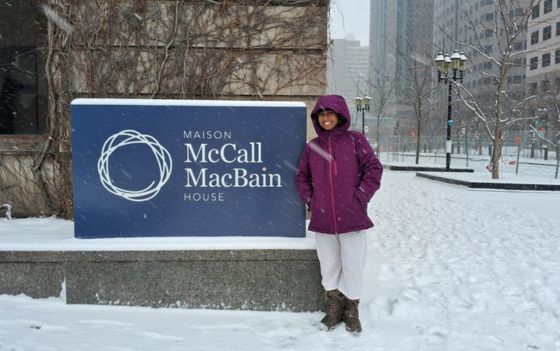
Kiran's story is pure inspiration! Growing up in Kolkata she juggled family and studies. “Having to raise three children wasn’t easy for my parents, but World Vision India supported my education and helped me discover my passion for social issues.” World Vision India’s Snehadeep community project and Play for Peace programme, conducted workshops on life skills, street plays, and puppet shows which became platforms for her to find her voice.