Access to Clean Water: How World Vision India Is Changing Lives Through WASH
Introduction
In many parts of India, turning on a tap and getting clean water is still a privilege. Families walk long distances to collect water, children fall sick from contaminated sources, and a lack of toilets robs people of dignity and safety. These are not isolated challenges; they are daily realities for millions.
World Vision India, part of a global humanitarian organisation, is working to change this through its WASH (Water, Sanitation and Hygiene) programmes. For more than three decades, the organisation has helped communities gain access to clean water, safe sanitation and life-saving hygiene education, aligning its work with global goals for universal access to water and sanitation.
The WASH Crisis in India
India faces complex water and sanitation challenges. Rapid population growth, climate stress, pollution and poor infrastructure mean that many rural and urban-poor communities still rely on unsafe or unreliable sources of water. In some villages, ponds and open wells dry up during the summer, forcing families, especially women and children, to walk several kilometres to fetch water. Open excretion and poorly maintained toilets further contaminate the environment and increase the risk of disease.
For children, the consequences are severe. Waterborne illnesses such as diarrhoea and parasitic infections remain leading causes of sickness, keeping children out of school and draining household income on medical expenses. WASH is therefore not just about infrastructure, it is a foundation for health, education and long-term development.
How World Vision India’s WASH Programmes Work
World Vision India designs its WASH initiatives based on the needs of local communities, with a strong focus on the most fragile and underserved areas. The programmes typically include four main components:
• Water supply systems:
Installing and rehabilitating hand pumps, bore wells and piped water schemes closer to homes, schools and healthcare centres. This reduces long, risky journeys and ensures that water is safer and more reliable.
• Sanitation facilities:
Supporting the construction of toilets for households, schools and public spaces. These efforts help communities move towards open defecation-free environments, which are vital for preventing disease and protecting dignity, especially for girls and women.
• Hygiene promotion:
Through community meetings, school clubs and household visits, staff and volunteers teach key practices such as handwashing with soap, safe water storage, latrine use and menstrual hygiene management.
• WASH in schools and healthcare:
Child-friendly toilets, handwashing stations and drinking water in schools help improve attendance and create a safe environment for girls. In healthcare facilities, clean water, sanitation and hygiene are critical for safe deliveries and infection prevention.
Impact on Children, Women and Communities
The impact of these programmes is visible in healthier children, more confident women and stronger communities. When clean water and toilets are available, the incidence of waterborne diseases drops, and children miss fewer school days. Parents can redirect time and resources towards nutrition, education and livelihoods instead of repeated medical treatment.
Access to nearby water sources also transforms daily life for women and girls. Instead of spending hours each day fetching water, they can attend school, learn skills or take part in income-generating activities. Safe, private toilets reduce the risk of harassment and provide dignity, particularly for teen girls. WASH improvements in schools are often linked to higher retention of girls, who are more likely to continue their education when their hygiene needs are respected.
World Vision’s WASH programmes now reach more than three million people each year, and coverage has grown by about 500% since 2011. These numbers reflect not just scale, but also the organisation’s long-term commitment to the communities it serves.
Sustainable, Community-Led Solutions
A key strength of World Vision India’s WASH work is its emphasis on sustainability and community ownership. Residents are involved in planning and monitoring projects, and water user committees are trained to manage and maintain infrastructure, collect small user contributions where appropriate and arrange repairs when systems break down.
Behaviour-change activities are designed to fit the local context, using local leaders, faith groups, women’s self-help groups and children’s clubs to spread messages. This helps practices such as handwashing, proper toilet use and safe water storage become part of everyday life, not just short-term project outcomes.
World Vision India also works closely with local governments and partners. By aligning with national initiatives and rural water and sanitation schemes, the organisation helps strengthen public systems and attract resources to fragile communities. Around 89% of WASH funding is directed to vulnerable and hard-to-reach areas, ensuring that those who need support most are not left behind.
Frequently Asked Questions
What does WASH stand for?
WASH stands for Water, Sanitation and Hygiene three pillars that work together to prevent disease and improve daily living conditions.
Who benefits the most from World Vision India’s WASH programmes?
Children, women and vulnerable households in fragile and underserved communities benefit the most, as they are often the ones most affected by unsafe water and poor sanitation.
How does World Vision ensure that WASH projects last?
By building local capacity, forming water user groups, partnering with the government and embedding behaviour-change activities into community life, World Vision India helps ensure that facilities are maintained and good hygiene practices continue long after initial funding ends.
Conclusion
Access to clean water, safe sanitation and good hygiene is not a luxury; it is a basic human right and a powerful driver of change. World Vision India’s WASH programmes are helping to turn this right into reality for millions of people, one community at a time. By investing in infrastructure, strengthening local systems and changing everyday behaviours, these initiatives are breaking the cycle of disease and poverty and opening the door to healthier, more hopeful futures for children and their families.
Those who wish to support this work can partner with World Vision India by donating, sponsoring a child, or simply spreading the word. Together, we can move closer to a future where every child in India has access to clean water, a safe toilet and the dignity they deserve.
Kiran's Inspiring Journey to Canada
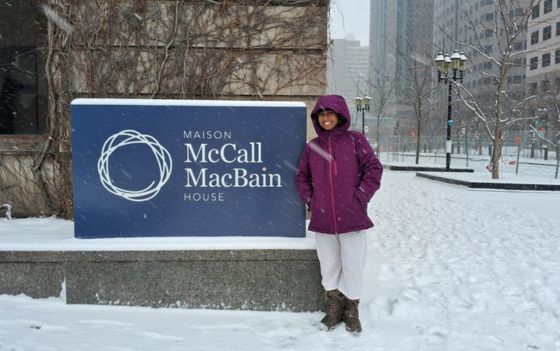
Kiran's story is pure inspiration! Growing up in Kolkata she juggled family and studies. “Having to raise three children wasn’t easy for my parents, but World Vision India supported my education and helped me discover my passion for social issues.” World Vision India’s Snehadeep community project and Play for Peace programme, conducted workshops on life skills, street plays, and puppet shows which became platforms for her to find her voice.