Education for Every Child in 2026 - Why It Still Matters
Introduction - Why Education Cannot Wait
In 2026, education continues to be one of the most powerful foundations for a child’s future. Yet for millions of children, learning remains uncertain and interrupted. Poverty, migration, social inequality, conflict, and family pressures still push education out of reach for many households. When families struggle to meet daily needs, schooling is often delayed, disrupted, or dropped entirely.
Supporting children’s education today is no longer only about raising awareness. It is about consistent, everyday action that keeps children learning despite difficult circumstances. World Vision India works closely with families and communities to help ensure that education remains accessible, even during times of uncertainty. Education plays a vital role not just in academic growth, but in protecting dignity, building confidence, and creating stability in a rapidly changing world.
Why Education for Every Child Still Matters in 2026
Education is a basic right that shapes every stage of a child’s life. Quality learning helps children develop essential life skills, strengthen emotional well-being, and expand future opportunities. Children who learn in safe and supportive environments are better prepared to adapt, problem-solve, and participate meaningfully in their communities.
However, access to education remains uneven. Children affected by poverty, disability, gender-based barriers, displacement, or weak local infrastructure often face the greatest challenges. For them, staying in school requires more than enrolment. It requires sustained support that responds to both learning needs and everyday realities.
Efforts to support children’s education focus on removing barriers that prevent participation while protecting a child’s right to learn. In 2026, education remains a shared responsibility that depends on long-term engagement from families, communities, and child-focused organisations working together.
The Reality of Education Gaps in 2026
Many children continue to experience interruptions in schooling due to economic hardship, unsafe environments, seasonal migration, or household responsibilities. These challenges are often interconnected. A lack of income may lead to child labour, migration may disrupt school continuity, and unsafe surroundings can prevent regular attendance.
Education gaps are not only about whether children attend school, but also about what they experience when they are there. Learning quality remains a critical concern. Overcrowded classrooms, limited resources, and insufficient teacher support can weaken learning outcomes even for enrolled children.
Children need classrooms where they feel safe, encouraged, and understood. Programmes supported by World Vision India focus on strengthening learning environments so children feel motivated to stay engaged. Without such support, learning gaps widen over time, limiting children’s future opportunities.
How Child Welfare Organisations Support Children’s Education
Child welfare organisations play a vital role in helping children overcome barriers to education. Their work often extends beyond schools to address the broader conditions that affect learning. Education initiatives focus on both access and quality through integrated, community-led approaches.
These efforts include improving learning environments, supporting teachers, providing age-appropriate learning materials, and encouraging digital and smart learning where possible. Life skills education is also integrated to help children build confidence, communication skills, and resilience alongside academic learning.
Community participation remains central to these approaches. By working with parents, teachers, and local leaders, organisations help strengthen education systems from within and encourage shared ownership of children’s learning journeys.
Why Supporting Children’s Education Changes Lives
Education remains one of the most effective ways to break cycles of poverty and exclusion. Children who stay in school are better prepared for employment, independence, and informed decision-making. Their progress contributes to improved household stability and stronger, more resilient communities.
Education also plays a protective role during childhood. Children who remain engaged in learning are less vulnerable to early marriage, exploitation, and hazardous labour. Schools provide safe spaces where children receive guidance, structure, and encouragement during critical stages of development.
Over time, educated children grow into adults who contribute positively to society. Education nurtures leadership, empathy, and social responsibility across generations, creating long-term impact far beyond individual success.
What Needs to Be Done Moving Forward
To truly support children’s education, inclusion must remain a priority. Children with disabilities, girls facing gender-based barriers, and those living in remote or underserved areas require targeted and sustained support. Education systems must adapt to meet diverse learning needs rather than expecting children to adjust on their own.
Strong teacher training, safe infrastructure, and relevant learning tools remain essential for meaningful outcomes. Flexible learning approaches are also needed to respond to disruptions caused by migration, climate events, or economic pressures.
Child-focused organisations will continue to play an important role by combining advocacy, community engagement, and direct educational support. These integrated efforts help create education systems that are inclusive, resilient, and responsive to children’s needs.
Conclusion - Education Still Matters, Now More Than Ever
In 2026, the mission to educate every child remains unfinished. Education continues to be the foundation for equality, opportunity, and long-term development. Supporting children’s education means recognising that every child’s learning journey matters, regardless of background or circumstance.
World Vision India reminds us that education goes beyond classrooms. It represents dignity, hope, and the possibility of a better tomorrow. When families, communities, and organisations act together, education becomes a powerful force for lasting change for children and society as a whole.
Kiran's Inspiring Journey to Canada
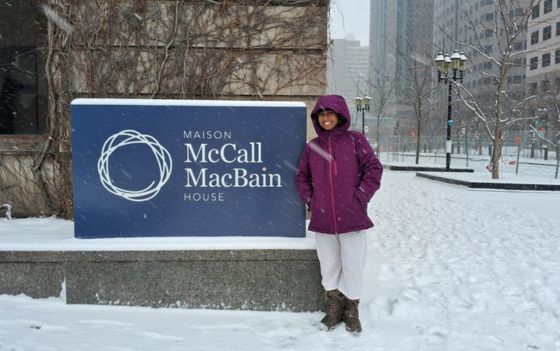
Kiran's story is pure inspiration! Growing up in Kolkata she juggled family and studies. “Having to raise three children wasn’t easy for my parents, but World Vision India supported my education and helped me discover my passion for social issues.” World Vision India’s Snehadeep community project and Play for Peace programme, conducted workshops on life skills, street plays, and puppet shows which became platforms for her to find her voice.