Growing Up Safe: How Children Learn to Recognise and Report Unsafe Situations
Introduction
A safe childhood isn’t built by walls or warnings; it’s built by awareness.
Today’s children grow up surrounded by risks that look different from those their parents faced: unsafe touches, bullying, emotional manipulation, online strangers, cyber threats, and situations that make them uncomfortable but unsure how to respond.
In many communities across India, children are often told to be obedient, quiet, and respectful. Yet, without the tools to recognise danger, obedience can unintentionally silence them in moments when speaking up could protect them.
World Vision India is helping shift this reality by giving children the language, skills, and confidence to identify unsafe situations and report them without fear. Through school workshops, community programmes, and family engagement, children learn not only what safety means but also how to stand up for themselves and others.
Understanding Safety: Teaching Children Through Stories, Not Fear
Young children don’t respond to long explanations. They learn through:
- Stories
- Simple examples
- Play-based activities
- Role-play and visual cues
World Vision India uses age-appropriate tools to help them recognise:
- Safe touch vs. unsafe touch
- Good secrets vs. bad secrets
- Safe adults vs. unsafe adults
- When a stranger’s behaviour becomes suspicious
- What discomfort feels like: tightness in the stomach, fear, and confusion
Older children are introduced to more complex risks:
- Grooming
- Online chatting with unknown people
- Cyberbullying
- Isolation by peers or adults
- Manipulative friendships
- Demands for secrecy
Confidence-Building: Helping Children Say “No” Without Shame
One of the biggest barriers for children is the fear of speaking out.
Many believe:
- Adults must always be obeyed
- Reporting is disrespectful
- They will get punished
- No one will believe their story
This is why confidence training is essential.
Through creative activities like skits and group discussions, children learn:
- To use strong, clear phrases (“Stop!”, “I don’t like this”, “No, leave me”)
- To trust their instincts
- To walk away from uncomfortable situations
- To identify safe adults, they can approach
- To recognise that safety is more important than pleasing others
Children practice these responses repeatedly until they become natural.
This transforms hesitation into courage.
Safe Reporting: Showing Children Where Help Exists
Recognising danger is one step, knowing where to go next is the real protection.
World Vision India teaches children different reporting avenues:
Trusted Adults
- Parents
- A teacher
- A school counsellor
- A neighbour they trust
Child Protection Committees
Every community supported by World Vision India forms a committee of trained adults who respond quickly and confidentially to safety concerns.
Helplines
Children learn how to use child helplines that offer immediate support and guidance.
Anonymous Reporting Boxes
In schools and community centres, these drop-boxes provide a safe way for children who are shy, scared, or worried about being identified.
Peer Support Groups
Sometimes children confide first in other children. Programmes create child-led groups where they can share concerns safely.
By giving children multiple, reliable options, the fear of “not knowing what to do” disappears.
Families as First Guardians: Building Safe Homes
A child’s first safety lesson begins at home.
World Vision India conducts parenting sessions that help caregivers:
- Understand the emotional cues children use when something feels wrong
- Communicate openly without anger
- Build trust so children feel safe reporting
- Practice non-violent discipline
- Model respect for boundaries
- Recognise signs of trauma or silence
Fathers are also included through men’s engagement groups that reshape old beliefs, encouraging shared responsibility for safety and nurturing.
When homes become listening spaces, children grow up knowing their voice matters.
Schools as Protection Hubs
Schools become powerful allies in child safety when they actively participate.
World Vision India supports schools to:
- Conduct safety audits
- Train teachers on child protection policies
- Create anti-bullying clubs
- Ensure safe access to classrooms, water points, and playgrounds
- Introduce age-appropriate safety assemblies
- Build a “safety-first culture” where reporting is encouraged
When children see teachers and staff consistently reinforcing safety messages, they feel protected, not just educated.
Communities That Stand Together
Safety is strongest when everyone participates youth groups, parents, leaders, faith communities, and volunteers.
Community activities include:
- Awareness walks
- Street plays explaining child safety
- Posters and wall paintings
- Neighbourhood watch groups
- Regular community dialogues
- Village-level safety plans
When a whole community understands what unsafe behaviour looks like, children are never isolated in their fear.
They grow up surrounded by adults who know how to act, where to report, and how to protect.
Small Acts of Courage That Create Big Change
In several communities, children have used their training to intervene or report:
- A boy who alerted a teacher when he felt a younger child was being lured away by an adult
- A group of girls who recognised a suspicious “job offer” to village children and informed the authorities
- Children who stopped bullying cases by speaking up for their classmates
These are not isolated events; such stories are increasing because children understand their rights, believe in their own voice, and trust the systems around them.
FAQ
What signs show a child might be in an unsafe situation?
Withdrawal, fearfulness, secrecy, sudden behaviour change, or avoiding certain people.
How can parents reinforce safety at home?
By listening without judgment, discussing safety openly, and setting family boundaries.
Do boys also face safety risks?
Yes, bullying, labour, emotional abuse, and online threats are common among boys, too.
Is reporting safe for a child?
Yes, when systems are strong. Programmes ensure confidentiality and follow-up care.
Conclusion
Safety is not luck; it is learning.
When children know how to recognise unsafe behaviour, trust their instincts, and speak out confidently, they carry a lifelong shield against harm.
Through its child protection programmes, World Vision India is helping thousands of children grow up with awareness, courage, and support systems that stand ready for them.
A safer world for children isn’t created by one person; it’s created when families, schools, and communities unite.
Kiran's Inspiring Journey to Canada
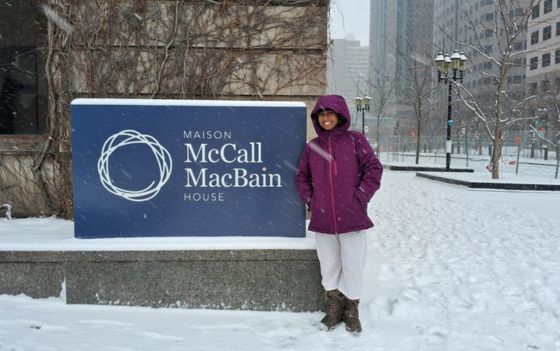
Kiran's story is pure inspiration! Growing up in Kolkata she juggled family and studies. “Having to raise three children wasn’t easy for my parents, but World Vision India supported my education and helped me discover my passion for social issues.” World Vision India’s Snehadeep community project and Play for Peace programme, conducted workshops on life skills, street plays, and puppet shows which became platforms for her to find her voice.